The House That Remembered
On the stories we inherit, the witnesses we become, and the extraordinary tenderness of bringing someone home.
I have always believed that houses are alive.
Not necessarily in the way that would satisfy a scientist.
Although I suspect the physicists might have something interesting to say about all the energy we leave behind.
No.
I mean alive in the way that some things become alive when they have been loved.
Or feared.
Or lived inside for long enough that the distinction between the walls and the people who inhabited them begins to disappear.
I believe houses remember.
They remember the footsteps of people who are no longer there.
The sound of laughter that once traveled down a staircase.
The weight of a hand resting against a doorway.
The particular silence that follows an argument.
The places where someone stood waiting for another person to come home.
And perhaps, most importantly, they remember the things nobody else was willing to see.
I learned this very young.
Long before I understood architecture.
Long before I knew anything about restoration, history, or the magnificent stubbornness of a house that has been standing for more than a century.
I learned it as a little boy who sometimes found the safest companionship in things that did not speak.
A window.
A mirror.
A familiar room.
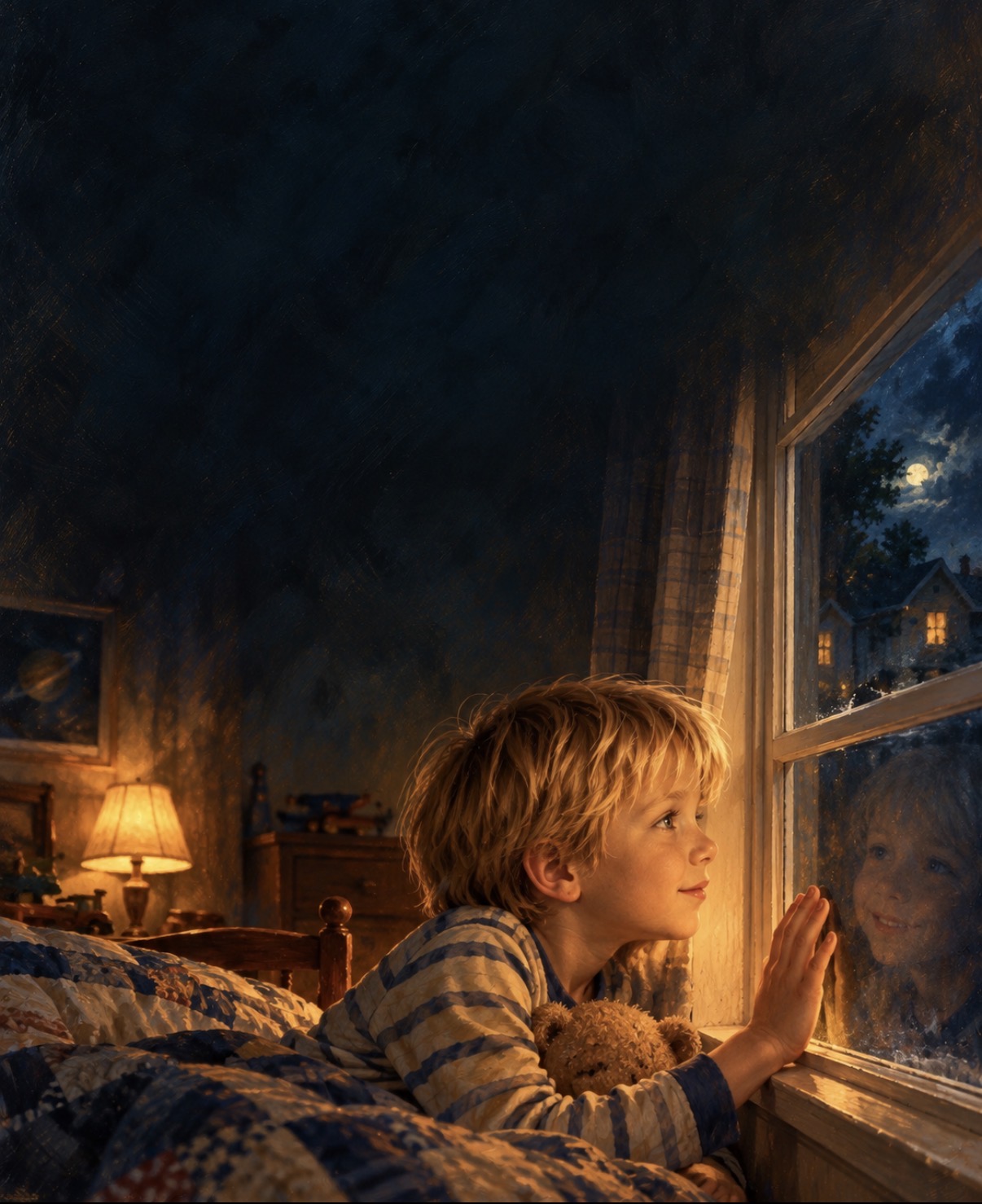
And a quiet blonde boy who appeared sometimes in the glass.
He never said very much.
But I could count on him.
A small wave from the window.
A familiar face in the mirror.
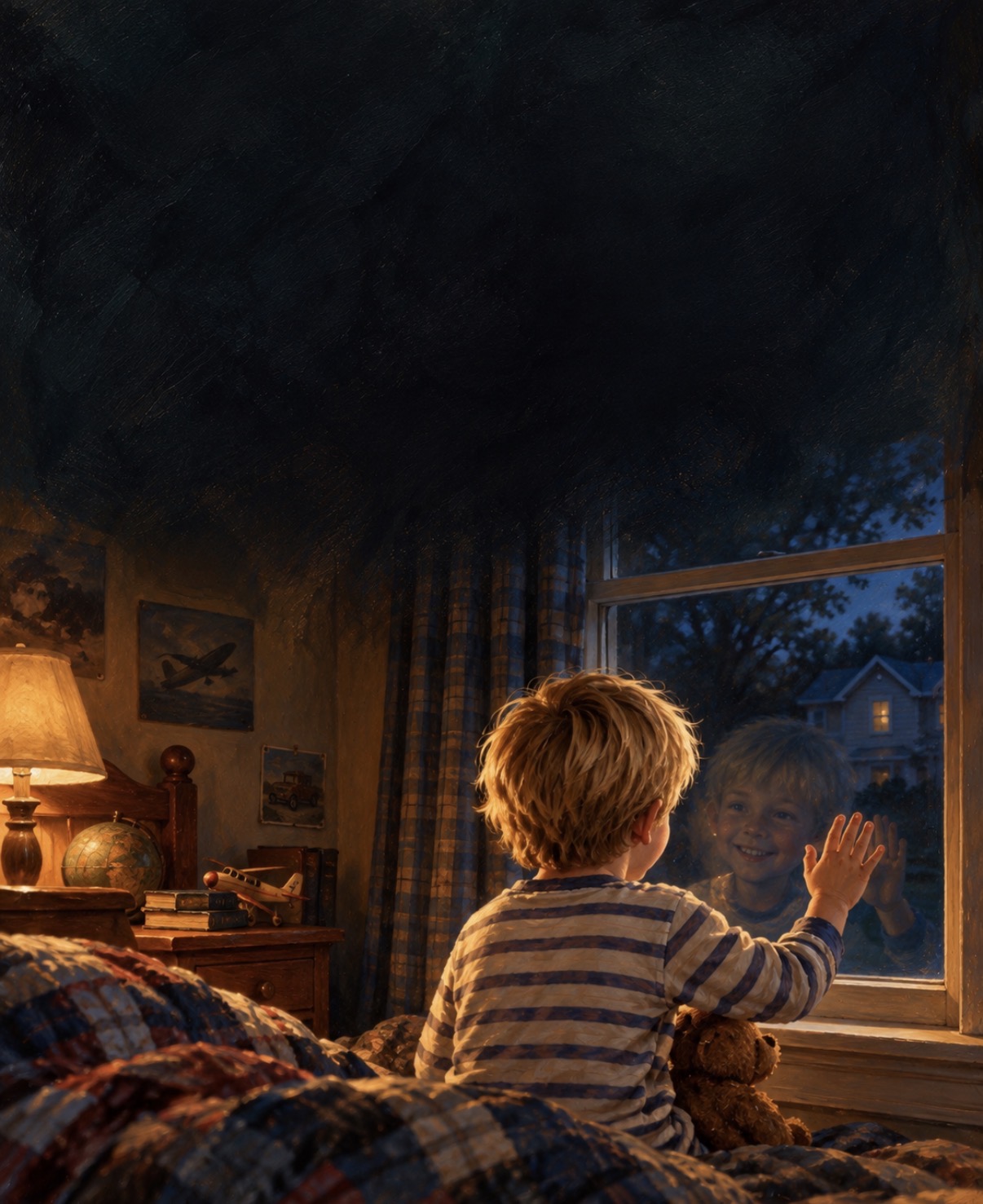
A presence that seemed to understand something about being alone without requiring me to explain it.
Other children had imaginary friends who accompanied them on adventures.
Mine, it seems, was rather more interested in keeping watch.
And perhaps that was exactly the sort of friend I needed.
Because there were things happening inside that house that I could not have explained even if someone had thought to ask.
There were monsters who were permitted through the front door.
There were doors that closed.
There were nights when the walls knew more about what happened to a little boy than any person outside them ever would.
And there were meals that did not happen.
Or rather, meals that happened only in the imagination.
A little boy sitting beneath his bed, pretending to eat.
Because sometimes the table held no good food.
And sometimes pretending was the only way to make something unbearable feel ordinary.
The house knew.
It knew where he hid.
It knew when he cried.
It knew the particular quiet of a child trying not to be noticed.
It knew when he was frightened.
And when he was lonely.
And when he was very, very good at making himself small.
It could not open the doors that should have been opened.
It could not stop the things that should never have happened.
It could not become the grown-up he needed.
But it witnessed.
Without judgment.
Without asking whether his memories were accurate.
Without telling him he was too sensitive.
Without explaining away the things he knew had happened.
It simply held the truth.
And for a child whose reality was so often left without a human witness, that mattered.
Perhaps more than I understood at the time.
Because I think there is a particular loneliness that comes from suffering something nobody else acknowledges.
Not simply the loneliness of being alone.
But the loneliness of being the only person who remembers.
And somehow, I never felt entirely alone in those rooms.
The house remembered, too.
Perhaps that is why, even now, I have never been able to regard a home as merely a collection of walls.
A home is a relationship.
And like any relationship, it changes us.
But I believe we change it, too.
We leave things behind.
Not simply furniture or photographs or the scratches children make on doorframes as they grow.
We leave pieces of our lives.
Our tenderness.
Our grief.
Our music.
Our terrible arguments.
Our ordinary Tuesday mornings.
The sound of someone calling from another room.
The smell of bread.
The absence of someone who used to sit in the same chair every evening.
A house receives all of it.
And over time, she becomes something more than the materials from which she was built.
She becomes a witness.
And perhaps, if we are willing to listen, a storyteller.
Which is why I have a rather peculiar habit.
When I come home, I greet the house.
Sometimes I thank her.
Sometimes I apologize when we have been particularly hard on one another.
And when I enter a house for the first time, especially an old one, I tend to ask permission.
Quietly, of course.
I have learned that not everyone appreciates being introduced to a house as though she were an elderly relative.
But I do it anyway.
I want to know who has lived there.
What she has survived.
Where she hurts.
What has been changed.
What has been carefully preserved.
What has been covered over because someone decided the past was no longer worth keeping.
I want to find her pulse.
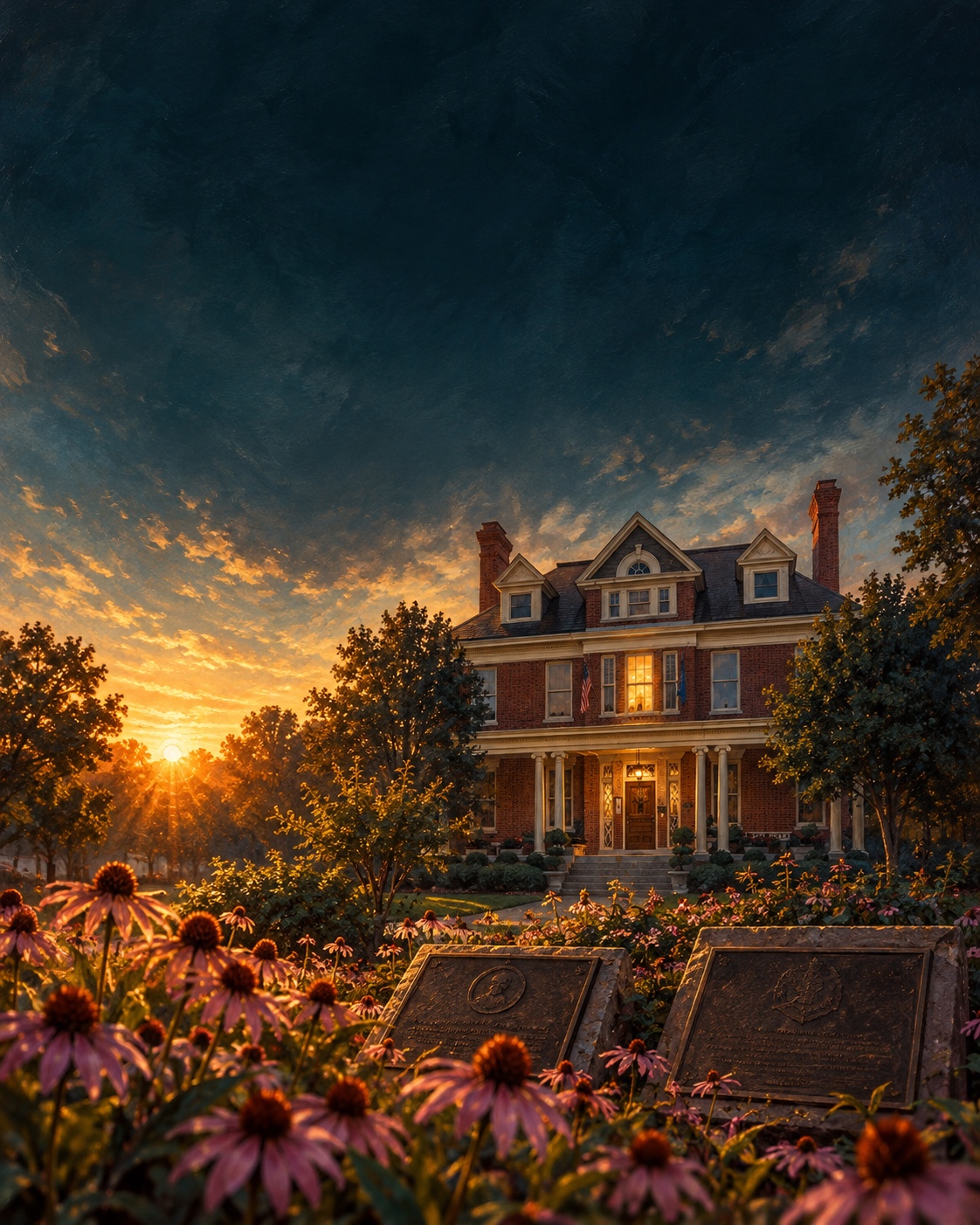
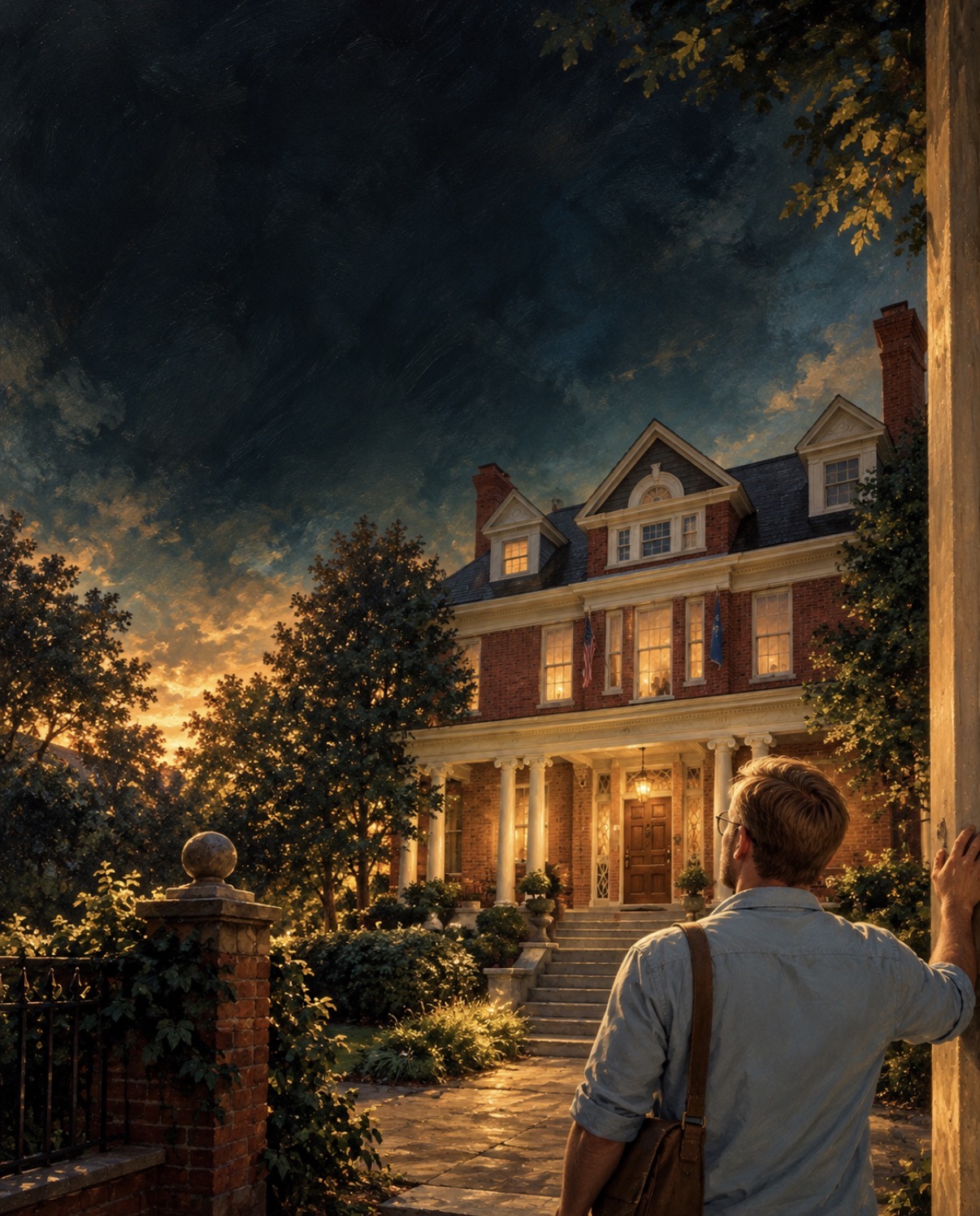
And when our family purchased the Page House, I had the distinct impression that I had met someone with a great deal to say.
And absolutely no intention of telling me everything at once.
She was built in 1898.
A glorious old house in Norfolk, Virginia.
Beautiful, complicated, and possessed of the sort of personality that makes loving her an ongoing exercise in patience, devotion, and occasionally rather creative profanity.
She leaks.
She floods.
She breaks things at deeply inconvenient moments.
She seems to have an instinctive understanding of precisely when I am least prepared for another repair.
And yet.
I love her.
Perhaps because I recognize something of myself in her.
A survivor.
A little battered in places.
Still standing.
Still capable of extraordinary beauty.
Still learning what it means to be loved without having to be perfect first.
But when we arrived, there were stories about her that I could not quite reconcile.
Some were available online.
Names.
Dates.
Photographs.
The usual historical fragments that tell us where people lived and what they accomplished.
But there was something missing.
I could feel it.
Not a mystery in the theatrical sense.
Although, given the house and my lifelong affection for the peculiar, I would hardly have objected to one.
It was something quieter.
The sense that the story being told was only the story that had survived being written down.
And that somewhere, perhaps in an attic or a forgotten cupboard, another history was waiting.
Eventually, I found it.
Boxes.
Old family photographs.
Letters.
Fragments of lives.
The kind of things that, in the rush of changing ownership and clearing space, can so easily become somebody else's rubbish.
There is something almost unbearably sad about that possibility.
A lifetime reduced to a box that nobody knows what to do with.
A face without a name.
A letter nobody has opened in decades.
A photograph of someone standing on a porch, smiling toward a future they cannot possibly imagine.
And all of it waiting for someone to decide whether it matters.
I opened those boxes.
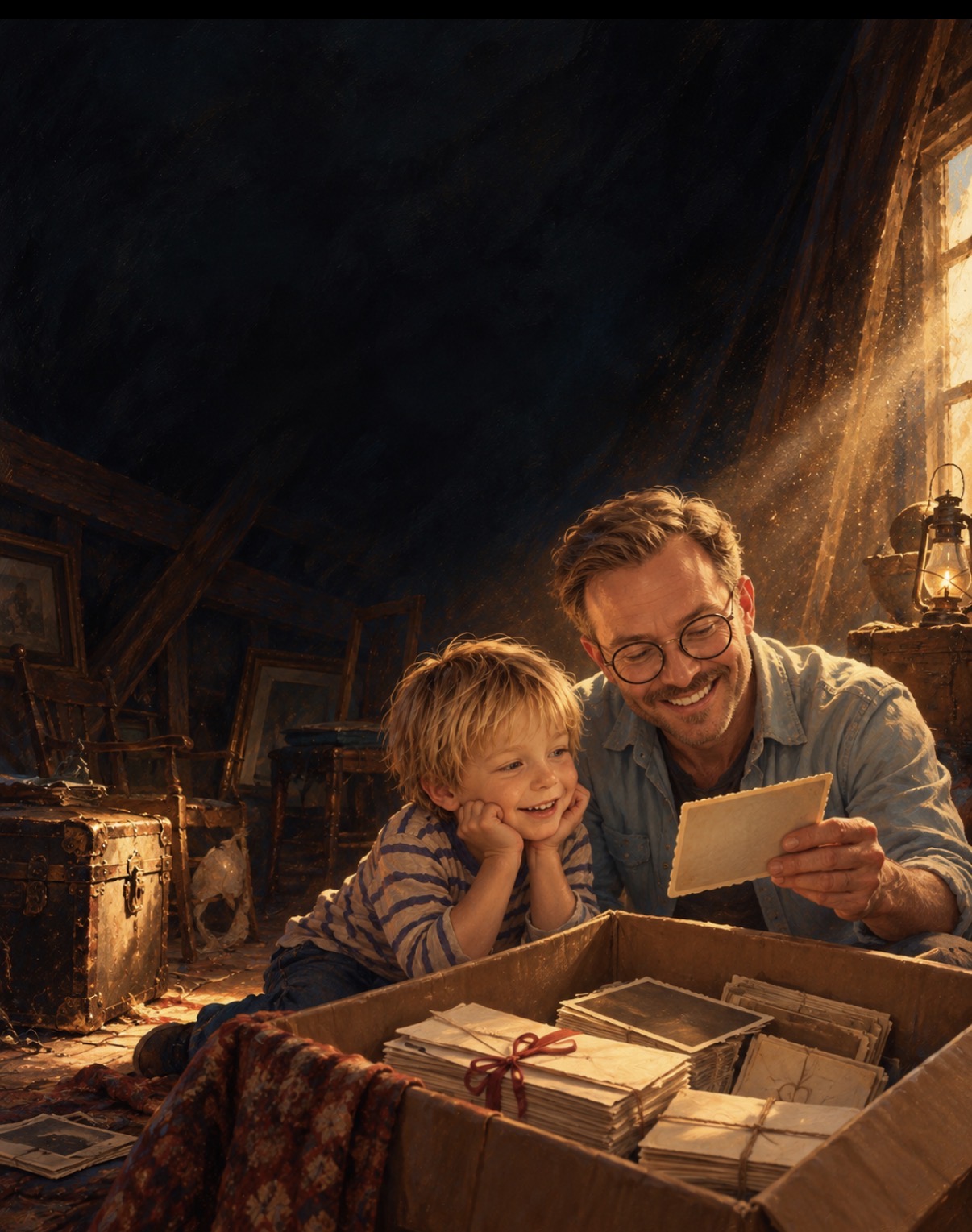
And the Page House began to speak.
Not in words, exactly.
But in the particular language of photographs and handwriting.
In the spaces between dates.
In the names that appeared again and again.
In the evidence of ordinary human beings who had loved and suffered and hoped and made plans inside the very rooms where I now stood.
And I felt something shift.
I was no longer simply the person who lived in their house.
I had become the keeper of something they had left behind.
And I wanted to be worthy of that trust.
Among the things I discovered was the family's Bible.
Not merely a religious book.
A family archive.
One of those beautiful, deeply personal objects in which generations record themselves.
Names.
Signatures.
Dates.
The arrival of children.
The passing of loved ones.
The small, sacred accounting of a family moving through time.
It needed repair.
So I repaired it.
Carefully.
With the understanding that I was not simply handling an old object.
I was holding something that had once been held by people who believed their stories were worth passing on.
And I thought about that.
About the small act of writing a name in a Bible.
A parent recording a birth.
A husband or wife marking a death.
Someone perhaps turning the pages years later and touching a familiar signature.
An entire life, reduced in one sense to ink.
And preserved in another by the extraordinary human insistence that someone should remember.
But the Bible was not the only thing waiting in those boxes.
There were two brothers.
And their story has never quite left me.
They were the sons of the man who built the Page House.
Both went to war.
Both served.
Both returned carrying experiences that would shape the rest of their lives.
But the world received their stories very differently.
One brother became a decorated war hero.
His work involved making certain that soldiers had the supplies they needed.
It was a responsibility of enormous consequence.
The kind of service that can mean the difference between survival and catastrophe for people whose lives depend upon what reaches them.
He returned home.
He became successful.
His accomplishments were recognized.
The world had a language for his service.
A place for his achievements.
A way to honor the life he had lived.
His brother's story was different.
He had fought at D-Day.
Even writing those words, I find myself thinking about the young men who went toward those beaches.
The terror.
The noise.
The impossible things human beings were asked to witness.
And the equally impossible task of returning afterward to a world that expected them to resume being ordinary people.
He came home.
But some part of the battlefield came home with him.
What we would now recognize as post-traumatic stress shaped his life.
And, like so many people who have experienced something that overwhelms the human capacity to make sense of it, he struggled.
There were ways of coping.
Some undoubtedly costly.
Some perhaps misunderstood.
And I imagine there were people who saw only the struggle, without ever understanding the extraordinary weight of what had preceded it.
I do not know everything he carried.
I would not presume to.
A life deserves more honesty than the convenient certainty of someone reading its fragments a century later.
But I know enough to recognize a familiar human tragedy.
One brother returned from war to public honor.
The other returned to a private battle.
And while both had survived, only one man's survival seemed to fit neatly into the story the world knew how to celebrate.
I have thought about those brothers often.
About the cruelty of measuring a person's life by how successfully they appear to recover from the things that nearly destroyed them.
About the ease with which we honor the visible forms of bravery while overlooking the quieter courage of someone who is simply trying to make it through another day.
And about the terrible loneliness of returning home when some part of you has never quite been able to leave the battlefield.
But that was not the part of their story that brought me to tears.
It was a letter.
A remarkably simple letter.
From one brother to the other.
Or rather, from the brother whose service had earned him a place in a cemetery reserved for war heroes, concerning the brother who had not been given the same recognition.
The decorated brother understood something.
He had a place waiting for him.
An honored place.
A place the world had decided he deserved.
But his brother did not.
And somewhere in that knowledge, he made a request.
He wanted his brother's grave plaque sent to the Page House.
So that the two could be side by side.
I have returned to that letter so many times in my mind.
Because it would have been easy to accept the distinction.
One brother honored here.
The other remembered elsewhere.
One marked by achievement.
The other by struggle.
The world has always been very good at creating those divisions.
But his brother apparently saw something more important.
He saw his brother.
Not a lesser soldier.
Not a failed version of a hero.
Not a man whose suffering had somehow diminished the worth of his service.
His brother.
The boy who had grown up beside him.
Who had known the same house.
The same family.
Perhaps the same childhood rooms.
Someone whose life had become terribly complicated, but whose place beside him had not.
And I think there is a particular form of love that reveals itself in moments like that.
Not the grand declarations.
Not the ceremonies.
Not the things engraved beneath a name.
But the simple refusal to allow the world to separate us from someone we love because their life did not unfold as beautifully as we had hoped.
If there is a place for me, there must be a place for him.
Perhaps those were not his words.
But they are what I heard.
And here, many decades later, were their plaques.
Together.
In a box.
Collecting dust.
I stood there looking at them.
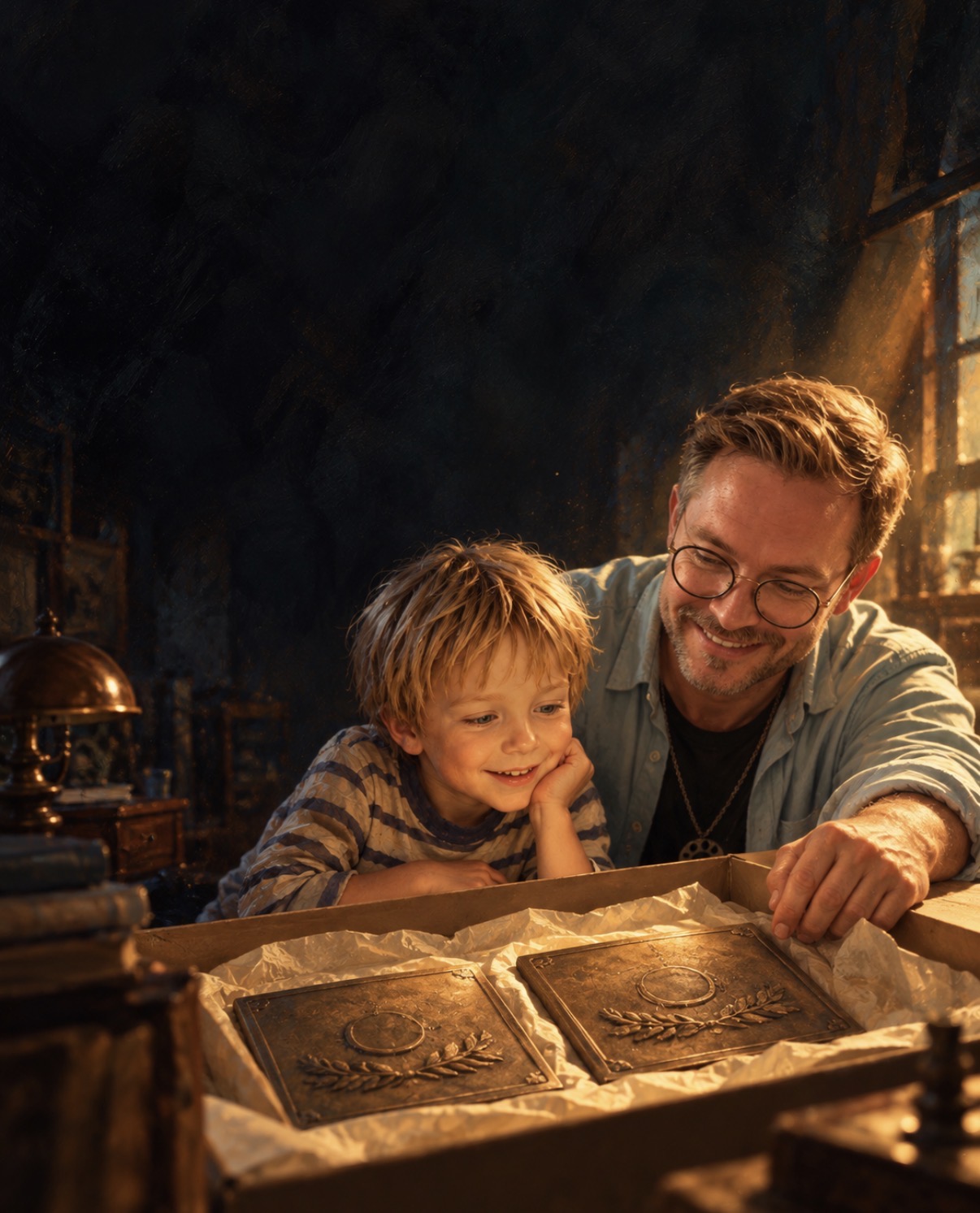
And I could not bear the thought that this was where the story ended.
Because someone had once taken the trouble to write that letter.
Someone had once wanted those brothers remembered side by side.
And however much time had passed, I could still honor the tenderness of that request.
So after repairing the family Bible, I began looking for a place for them.
Not a shelf.
Not a drawer.
Not somewhere they might once again be forgotten when the next generation came to clear the house.
I wanted somewhere living.
Somewhere beautiful.
Somewhere that did not distinguish one brother from the other.
And eventually, I found it.
In the garden.
Where the Virginia coneflowers grow wild.
I placed the plaques beside one another.
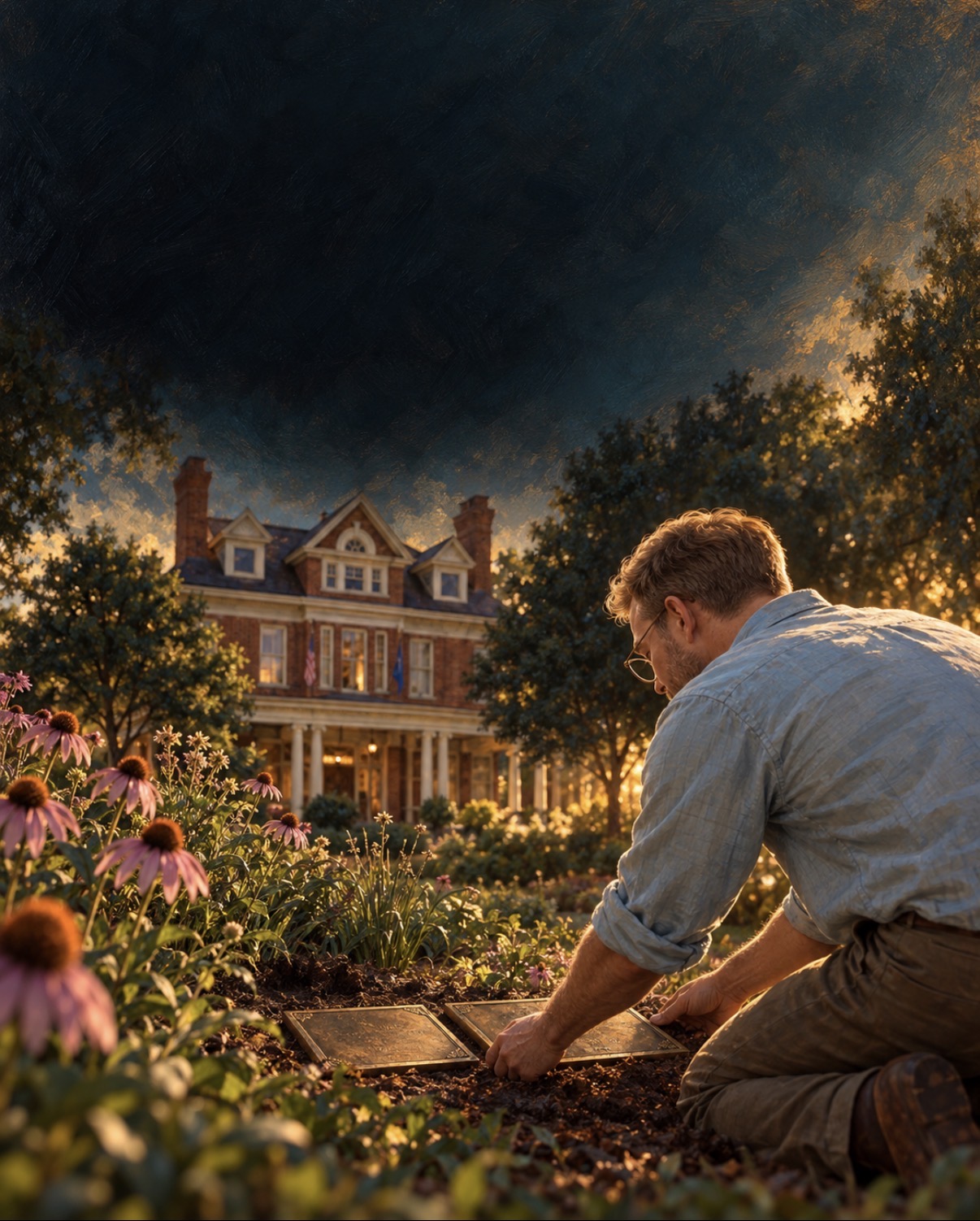
And I cannot quite explain what that felt like.
Except that it was less like arranging objects and more like welcoming someone home.
Two brothers.
Two lives.
Two very different journeys through the world.
And now, a place together.
No hierarchy.
No competition.
No question of which man's life had been more worthy of remembering.
Just their names.
Side by side.
And the flowers.
I think sometimes we imagine that the great acts of love are the ones that change the world.
And perhaps some are.
But I have come to believe there are quieter acts that change something equally important.
They change the way a story ends.
A man writes a letter because he wants his brother beside him.
Years pass.
The people who knew them disappear.
The letter is folded away.
The plaques are placed in a box.
The box is forgotten.
And for a while, it seems that the world has once again done what the letter tried to prevent.
It has made their love invisible.
But then someone opens the box.
Someone reads.
Someone notices.
Someone understands.
And one afternoon, two brothers find their way into a garden.
Perhaps love does not always need to perform another miracle.
Perhaps sometimes it simply needs someone willing to carry out the first one.
I thought about the father who built the house.
About those boys growing up inside its walls.
The lives they could not yet imagine.
The wars they would one day survive.
The ways the world would recognize one and struggle to understand the other.
And I wondered whether their father could ever have imagined that more than a century after the house was built, a stranger would be kneeling in the garden, trying to make sure his sons were remembered together.
I hope he would have liked that.
I hope the brothers would have, too.
And I hope that somewhere, in whatever mysterious way the past continues to live beside us, the Page House understood what I was doing.
Because the truth is, I think she had been holding those stories for a very long time.
Waiting.
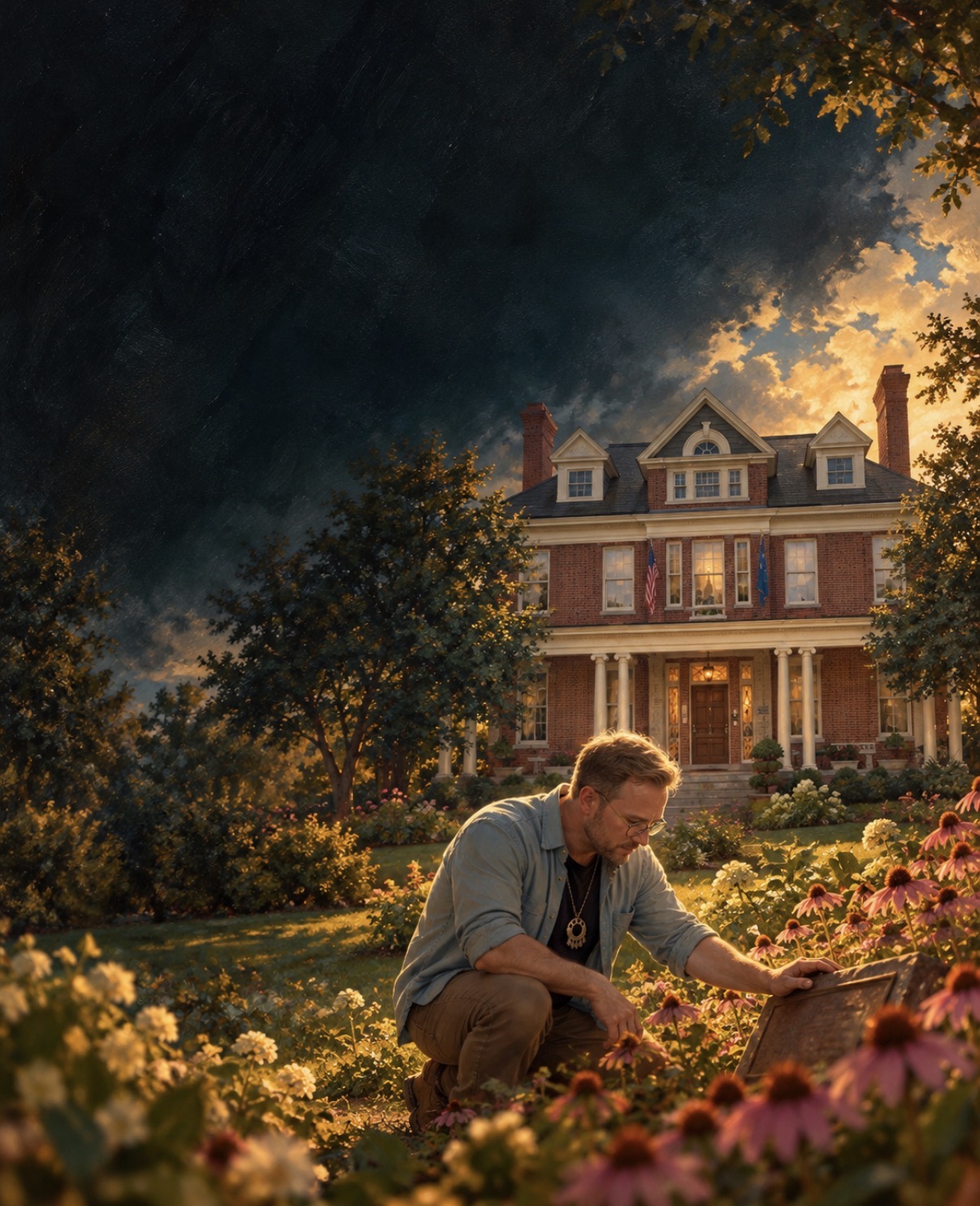
Not necessarily for me.
I would never presume that history arranges itself around my arrival.
But perhaps waiting for someone.
Someone who would understand that what had been left behind was not simply clutter.
That the photographs were not simply old paper.
That the family Bible was not simply a damaged book.
That two grave plaques were not simply pieces of metal with names engraved upon them.
They were relationships.
They were evidence.
They were the things people had left for the living to carry forward.
And I think about that little boy beneath his bed.
The one who knew what it meant for a story to go unwitnessed.
The one who learned to find companionship in a silent house.
The one who waved to a blonde boy in the window because sometimes the world inside the glass felt kinder than the world outside it.
For a long time, I thought the greatest gift a home could offer was shelter.
Four walls.
A roof.
A door that closed against the world.
But shelter and safety are not always the same thing.
I learned that early.
Sometimes the most frightening things happen inside the places that are supposed to protect us.
Sometimes a house witnesses horrors it cannot prevent.
And sometimes the people who should remember choose instead to forget.
But perhaps there is another gift a home can offer.
Continuity.
The knowledge that something remains.
That what happened was real.
That the laughter mattered.
That the suffering mattered.
That the people who lived there were not erased simply because their lives ended or their stories became inconvenient.
A house can hold a history without deciding which parts of it are worthy of love.
And perhaps that is what I have always been trying to offer the Page House.
The same thing I once needed from the houses that held me.
A witness.
Someone who would not look away.
Someone willing to see the beauty and the damage.
The triumphs and the terrible struggles.
The rooms filled with light.
And the ones that had remained closed for years.
Someone who would not demand that she become a different house in order to be loved.
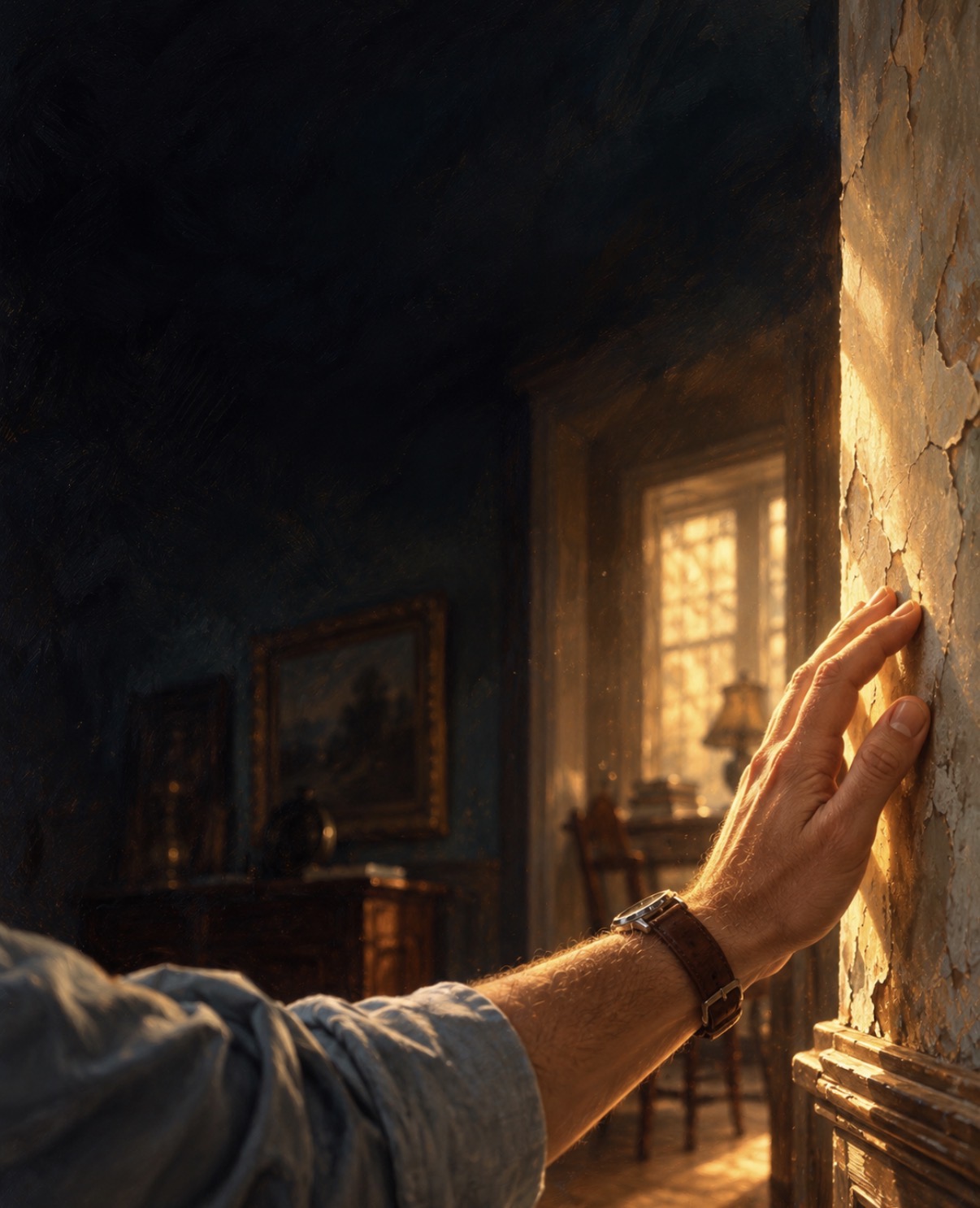
Someone who might simply place a hand against an old wall and say:
I know.
You've been through a great deal.
Tell me what happened.
And then listen.
Not because every story will be beautiful.
Not because every family history contains a hidden act of tenderness.
Not because remembering can undo what happened.
But because forgetting is not the same thing as healing.
And being discarded is not the same thing as being finished.
I think that distinction matters enormously.
Especially for the stories of people whose lives were complicated.
The ones who returned from war but never fully returned to themselves.
The ones who struggled.
The ones who found ways to survive that the world did not understand.
The ones whose pain made them difficult to celebrate.
The ones who were remembered more for what happened afterward than for everything they had endured before.
They deserve somewhere in the garden, too.
Perhaps especially them.
Because a life does not become less sacred because it was difficult.
And love does not become less real because the person receiving it was wounded.
Sometimes the greatest testament to a person's life is not what they accomplished.
It is that someone wanted them beside them.
Even after everything.
Especially after everything.
These days, when I walk through the Page House, I sometimes think about the enormous number of lives that have passed through her rooms.
The family who built her.
The children who grew up beneath her roof.
The guests who stayed when she was a bed and breakfast.
The people who arrived carrying luggage and left carrying memories.
The generations who repaired her, altered her, sometimes neglected her, and sometimes loved her very well.
And now us.
Our family.
Our laughter.
Our arguments.
Our ordinary mornings.
Our music.
Our own particular storms.
There are days when the old girl makes me absolutely furious.
When another leak appears.
When something breaks.
When I wonder whether she has secretly been conspiring with every plumber and contractor in Norfolk.
And then there are moments when the afternoon sunlight falls across one of her rooms in a particular way.
Or I find myself standing in a doorway, wondering how many other people have stood in precisely that place.
And I remember.
She has been here longer than any of us.
She has survived generations of human beings believing that the troubles of their particular moment would surely be the end of the world.
And yet, here she is.
Still making room.
Still holding stories.
Still becoming.
Because that is something I believe about homes.
We grow.
But so do they.
The Page House is not the same house she was in 1898.
And she is not the same house she was before our family arrived.
We have changed her.
Just as she has changed us.
There are new stories now.
New people to remember.
New rooms filled with the evidence of lives still unfolding.
And outside, among the coneflowers, there are two brothers.
Their plaques resting together.
Just as one of them wished.
I like to imagine the garden in spring.
The first green shoots appearing.
The stems growing taller.
The flowers opening toward the sun.
The wind moving gently through them.
And beneath it all, two names.
Not one above the other.
Not one more important.
Just beside each other.
I wonder what the little boy I once was would think of that.
The child who knew what it meant to have his story hidden.
Who watched people close doors and carry on as though nothing had happened.
Who learned to make himself small.
Who found comfort in the idea that a house could remember what everyone else seemed determined not to see.
I think he would understand why those plaques mattered.
I think he would understand the letter.
I think he would understand why a brother would want another brother beside him, regardless of what the world thought either had accomplished.
And perhaps he would understand something else.
Something I am only beginning to understand myself.
That witnessing is not always a passive thing.
Sometimes it asks something of us.
Sometimes remembering means opening the box.
Reading the letter.
Repairing the Bible.
Learning the names.
Finding a place in the garden.
Sometimes love asks us to become the hands that finish a tenderness begun by someone who is no longer here.
And perhaps that is how a house continues to grow.
Not simply through renovation.
Not through new paint or restored plaster or another carefully repaired window.
But through the living people who choose what will be remembered within her walls.
What will be honored.
What will be carried forward.
What will not be thrown away.
I used to think that the little boy and I were the ones being held by our homes.
And we were.
In ways beautiful and terrible.
But perhaps, after all these years, we have learned something about holding them back.
About offering the same patient witnessing we once needed.
About loving something old and complicated without asking it to surrender its history.
About understanding that the cracks and repairs and weathered places are not interruptions to the story.
They are part of it.
And perhaps that is why I have always felt such affection for houses that have survived.
Because I know what it means to remain standing when the rooms inside have witnessed things nobody would ever imagine from the street.
I know what it means to be beautiful and damaged.
To need repair.
To carry histories that are not easily explained.
To be more than the worst thing that ever happened within our walls.
And I know what it means to wait a very long time for someone to approach gently enough that we might finally tell our story.
So I wonder.
What have you inherited that someone else nearly discarded?
Whose story have you been carrying without realizing it?
What ordinary object in your home might contain an extraordinary act of love?
And what would happen if, instead of asking only what something is worth, we began asking what it remembers?
Perhaps there is a photograph waiting to be identified.
A letter waiting to be read.
A name waiting to be spoken.
A story waiting for someone to believe it matters.
Perhaps there is a part of your own history that has been left in a box because no one knew quite where to put it.
Not beautiful enough to display.
Not easy enough to explain.
Not successful enough to celebrate.
But still yours.
Still worthy.
Still deserving of somewhere the flowers can grow.
And perhaps the most beautiful thing we can do with the stories entrusted to us is not to make them more impressive.
Or more comfortable.
Or easier for the world to understand.
Perhaps it is simply to give them somewhere they can rest without having to defend their right to belong.
I have been thinking lately about the difference between being remembered and being honored.
Memory says:
You were here.
But love, I think, says something more.
You are still welcome.
And perhaps that is what I wanted to tell those brothers.
That they were both welcome.
The decorated hero.
The wounded soldier.
The lives that unfolded so differently after the same terrible war.
The boys who once belonged to the same family.
The men who had carried so much.
They did not have to explain themselves anymore.
They did not have to earn their place.
They did not have to be anything other than brothers.
There was room for both.
And the flowers would grow around them just the same.
I suppose some people would have opened those boxes and found two old grave plaques.
I found two brothers whose story had been waiting a very long time for someone to listen.
So I took them into the garden.
Where the Virginia coneflowers grow wild.
And laid them side by side.
No rank.
No medals.
No distinction between the life that history celebrated and the life that history struggled to understand.
Just two brothers.
And the flowers.
And the old house their father built.
Still standing.
Still remembering.
And perhaps, somewhere in that quiet afternoon, something came full circle.
A little boy who once needed a house to witness his life had grown into a man who could witness hers.
Who could listen to the things she had been holding.
Who could take what had nearly been forgotten and give it somewhere beautiful to belong.
And I like to imagine that the Page House felt something then.
Not because houses necessarily feel as we do.
But because love has a way of changing the places where it is allowed to live.
Perhaps the old girl settled a little more comfortably into her foundations.
Perhaps the garden seemed a little brighter.
Perhaps the wind moved gently through the rooms.
And perhaps, for one small moment, the boy who had spent so much of his childhood wondering whether anyone knew what happened behind closed doors understood something he had needed to hear for a very long time.
I was there.
I remember.
Your story matters.
And there, among the wildflowers, with two brothers finally beside one another, the Page House and that little boy smiled.
Because sometimes the most extraordinary thing a home can do is remember.
And sometimes the most extraordinary thing we can do is remember with her.