THE TREE THAT THOUGHT IT COULD REST
A story about the grief that lives beneath the roots
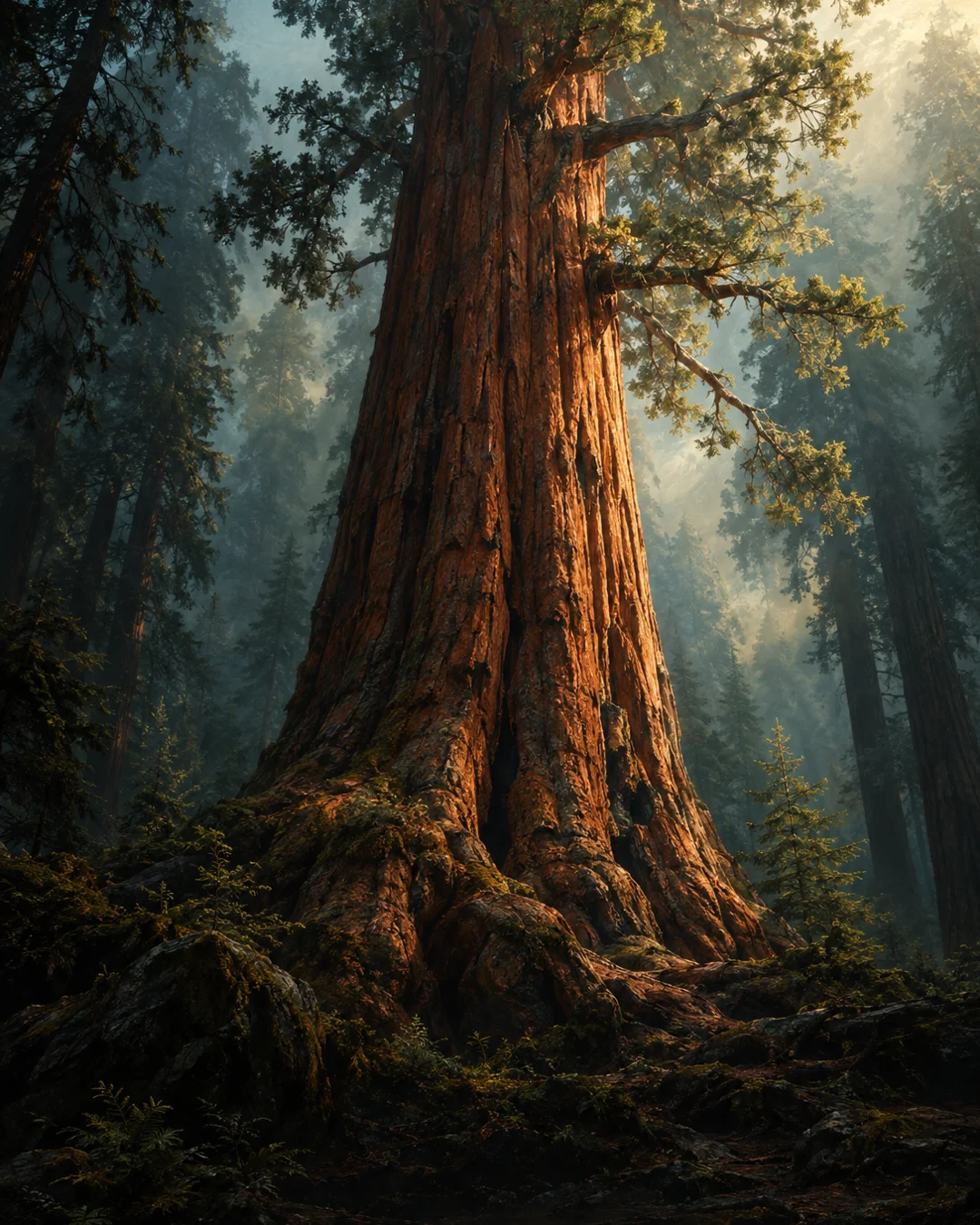
Once, there was an ancient tree.
More ancient than any tree had a right to be at his age.
No one knew precisely how old he was. From a distance, he looked much like the others. He had branches and leaves. He stood upright. He endured the seasons. Occasionally, he even managed to look rather magnificent.
But beneath his bark were centuries that had no business belonging to him.
He had learned winter before he learned spring.
He had known fire before he knew what it meant to be warm.
And somewhere in the earliest rings of his trunk, before he was tall enough to cast much of a shadow, he had learned that the world could hurt him simply for reaching toward something beautiful.
So he stopped reaching.
Or rather, he learned to make it appear that way.
He sent his roots deeper. He grew bark twenty-eight inches thick. He learned to survive droughts by needing less water, storms by refusing to bend, and loneliness by convincing himself that standing alone was simply what trees did.
He became very good at remaining upright.
People admired this about him.
They called him strong.
They had no idea how much he had come to hate that word.
Because nobody ever asked whether the tree was tired.
Nobody considered what it cost him to keep standing.
And God, he was tired.
He had survived so many winters that he sometimes forgot there were other seasons.
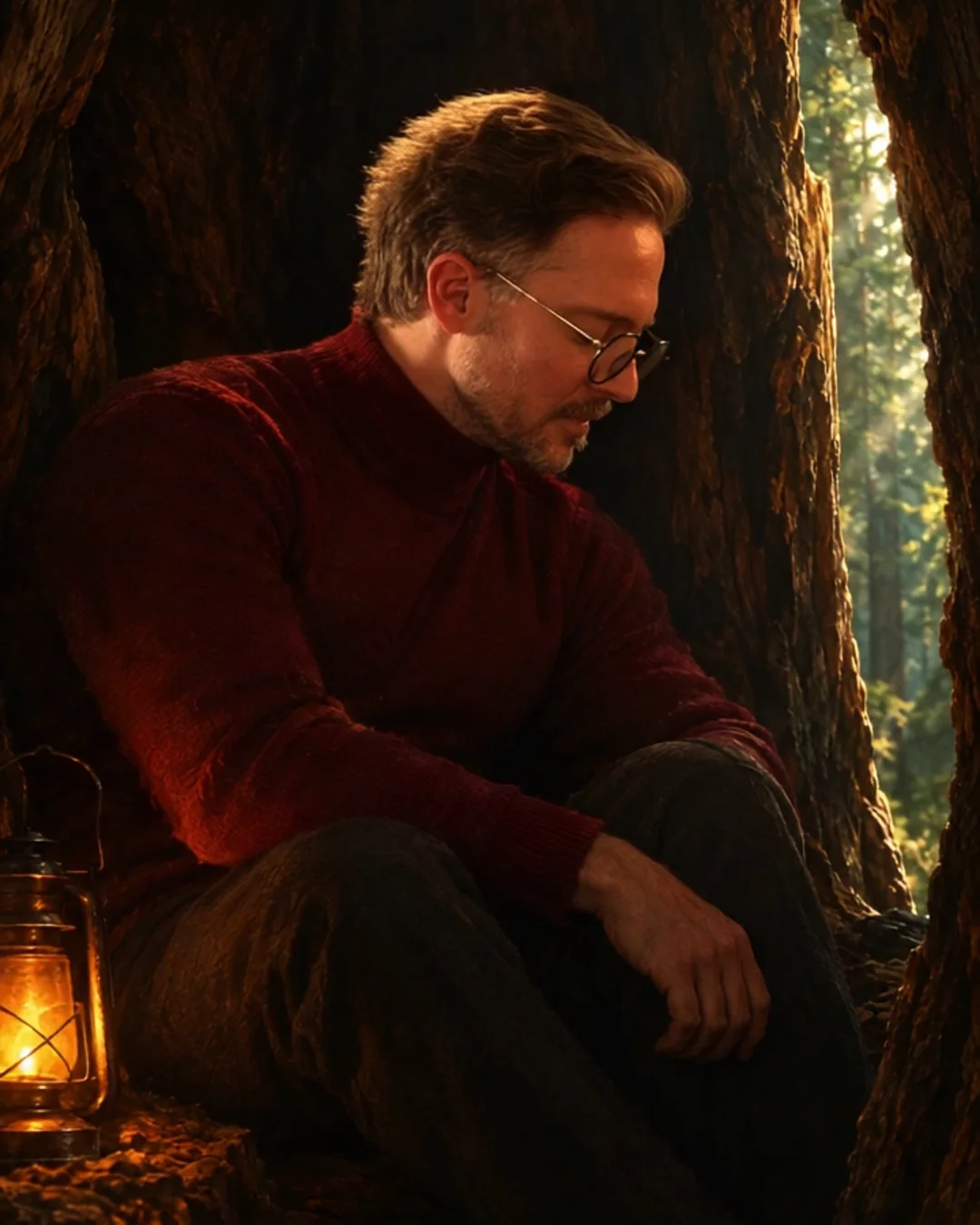
Inside him lived a watchman.
The watchman knew every crack in the bark, every scar left by lightning, every place where insects had burrowed into the wood. He never slept. Even when the forest was quiet, he listened for the sound of something approaching.
Especially then.
He knew how often terrible things arrived disguised as ordinary afternoons.
He had kept the tree alive when the roots were starving. He had taught the branches to grow around wounds that would never properly close.
And whenever something beautiful appeared in the distance, he quietly reminded the tree how much it would hurt to lose it.
He wasn't cruel.
He was exhausted.
And frightened.
And terribly, terribly devoted.
Then, one day, something happened that neither the tree nor his watchman had prepared for.
Sunlight found him.
Not the ordinary sunlight that had passed over his branches a thousand times without ever reaching the places that mattered.
This was different.
It reached beneath the bark.
It warmed the old scars.
It illuminated places so deep within him that the tree had forgotten they existed.
At first, the watchman was suspicious.
He examined the light for hidden dangers. He waited for the inevitable storm. He stood beside the oldest wounds with his hands folded behind his back, quietly preparing for another disaster.
But the sunlight kept returning.
And the strangest thing happened.
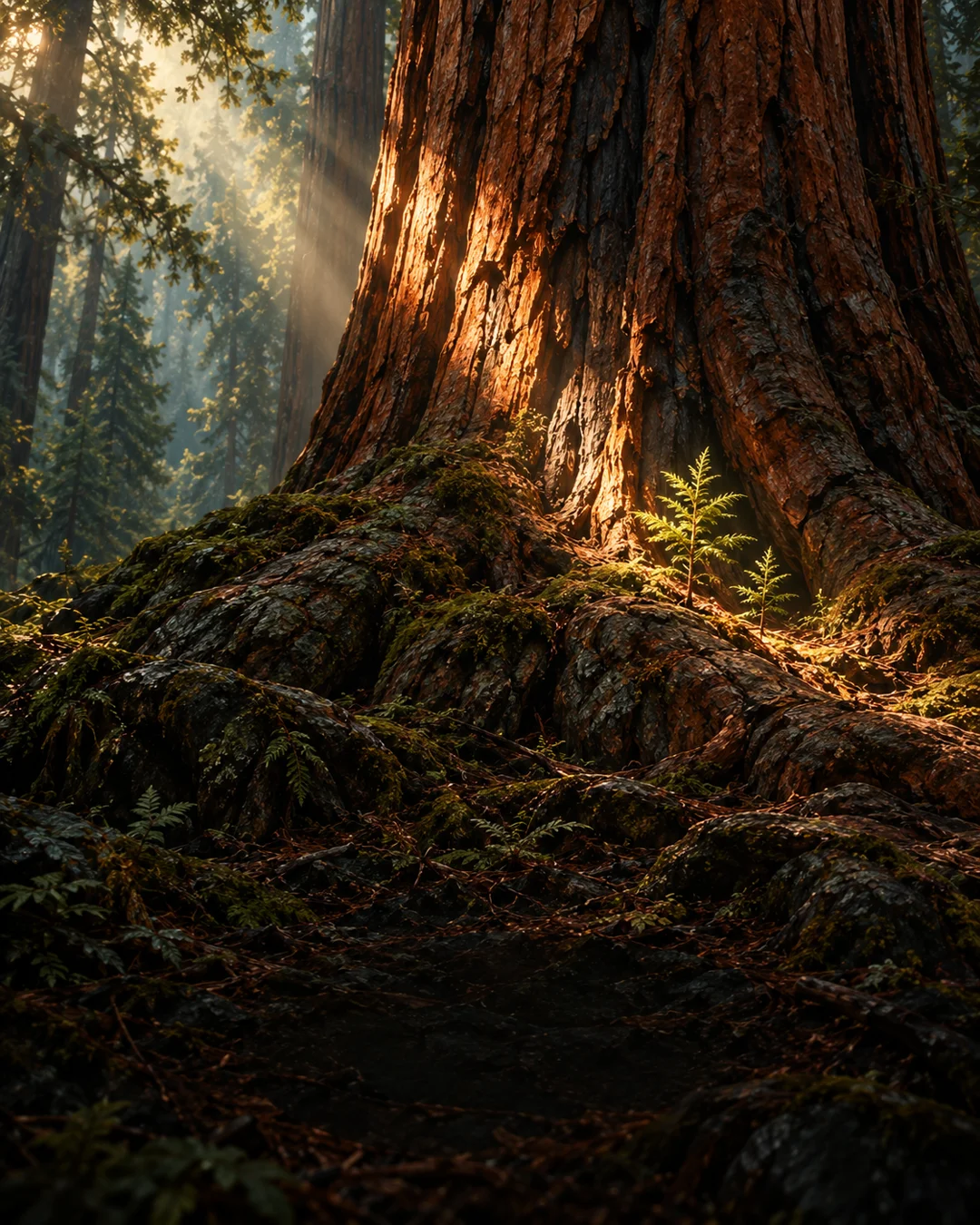
The tree began to grow.
Not taller.
Not stronger.
Heaven knows he had spent enough of his life doing both.
He began growing something tender.
For the first time in longer than he could remember, his roots reached outward instead of downward.
They moved toward things.
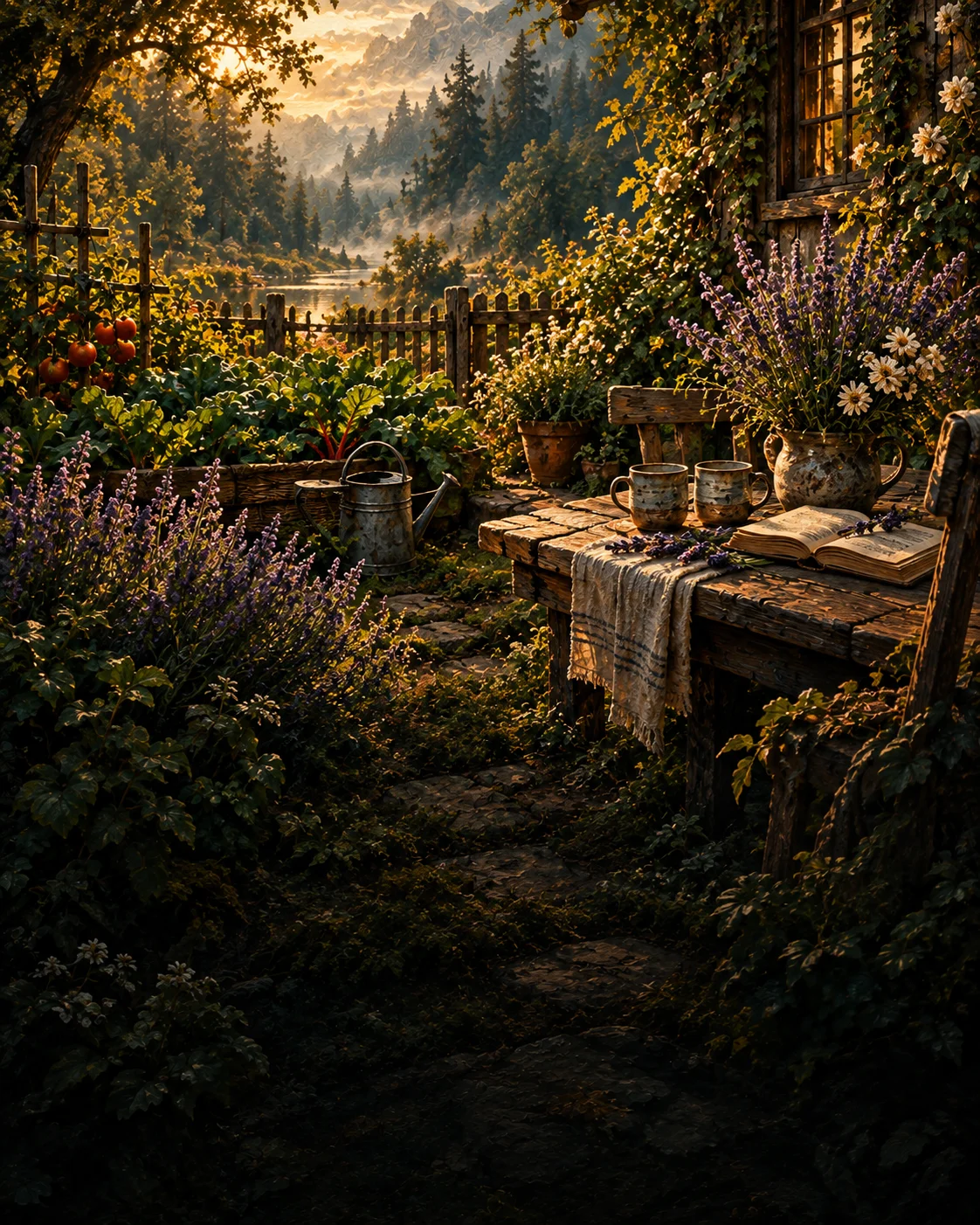
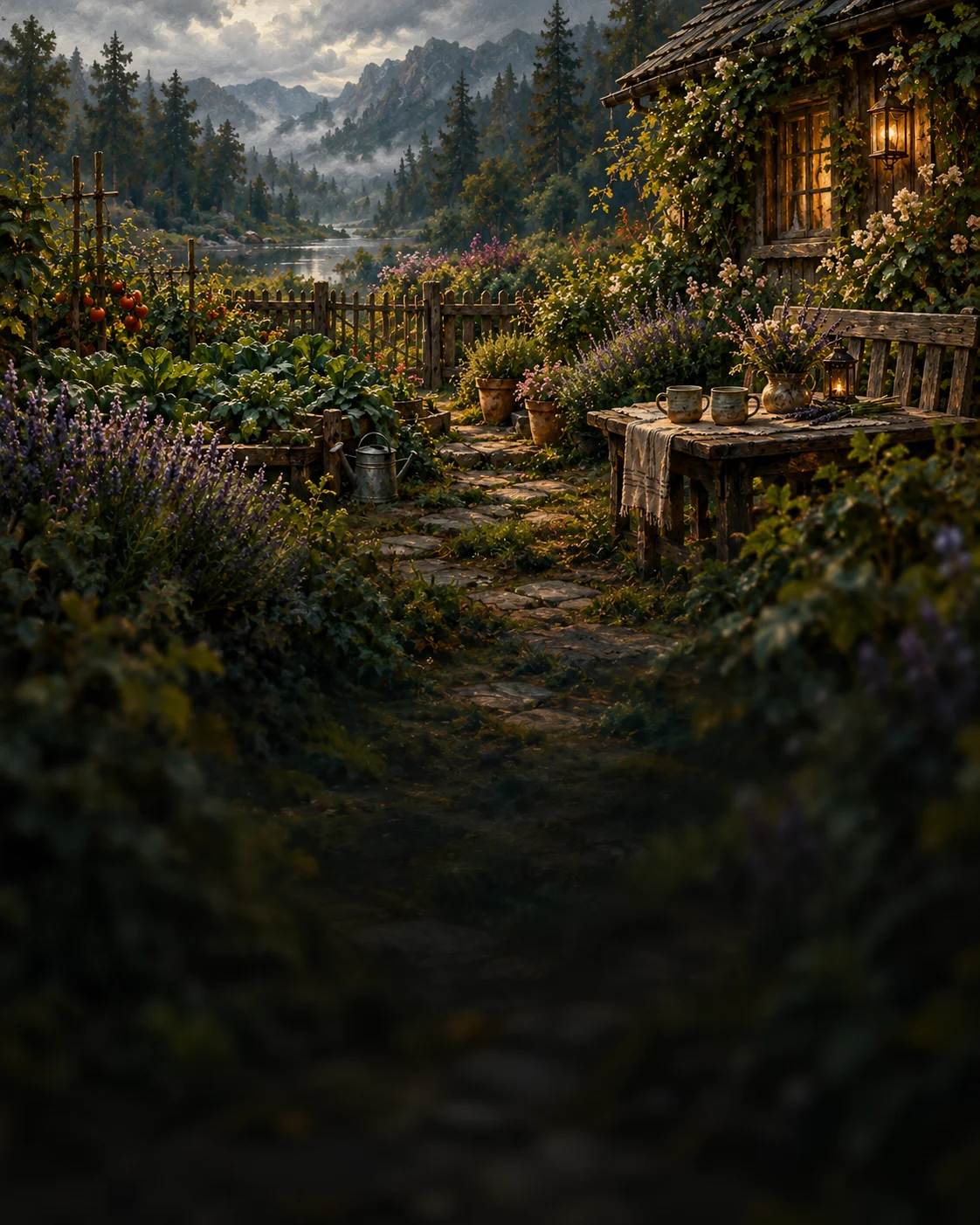
Toward a small house.
Toward a garden.
Toward lavender and honeybees and ridiculous conversations about where to put the vegetables.
Toward books left open on a table and two cups waiting for morning.
He began imagining ordinary Tuesdays.
Imagine that.
A creature who had survived centuries of catastrophe, undone by the prospect of an ordinary Tuesday.
And the watchman?
The watchman began to change, too.
Not all at once.
He still checked the weather.
He still listened when the wind moved strangely through the branches.
But sometimes he caught himself looking toward the garden.
Sometimes he imagined sitting on the old wooden bench beneath the tree.
Sometimes he wondered whether the bees would mind his company.
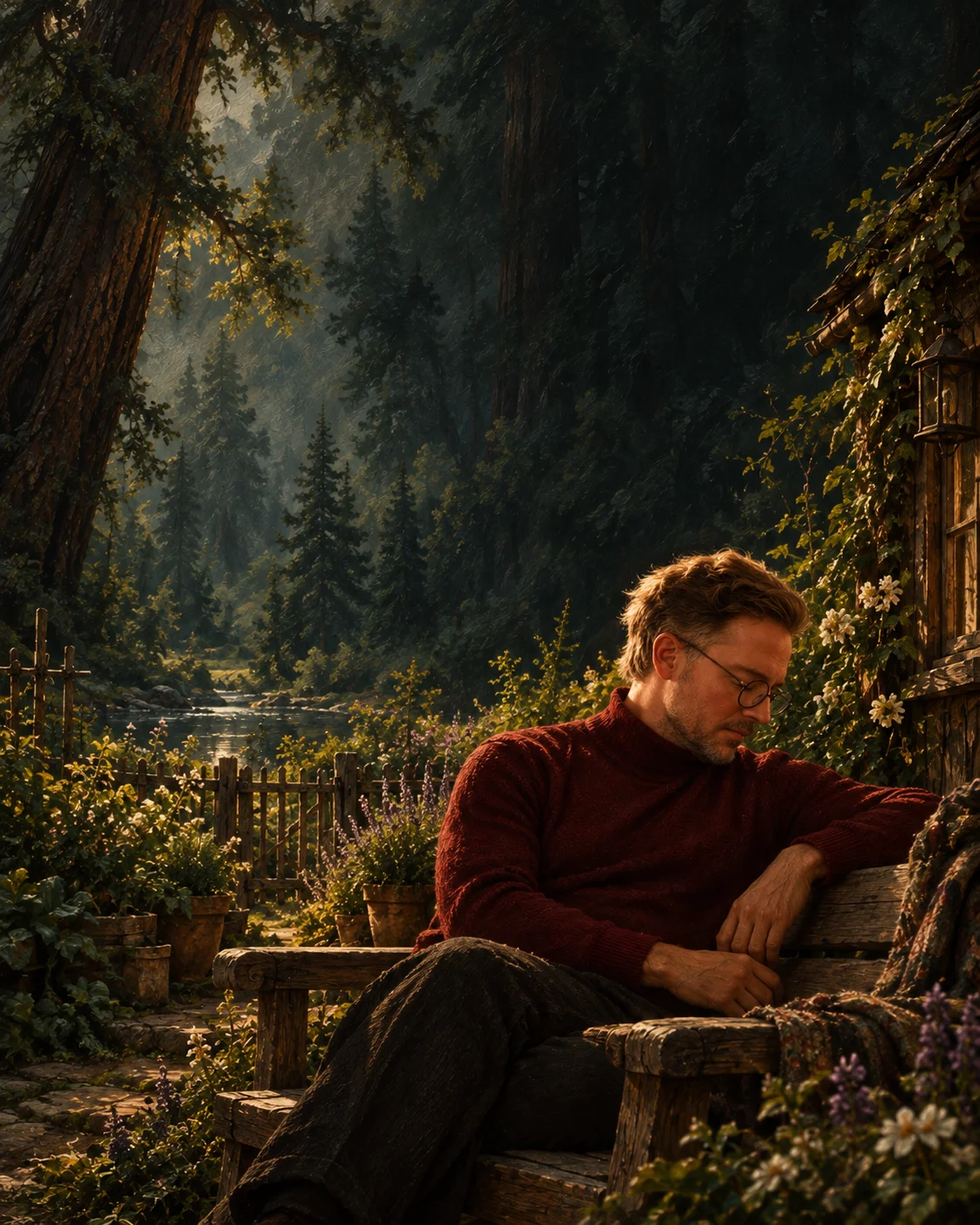
And one afternoon, when the sunlight was particularly lovely, he allowed himself a thought so dangerous that he almost laughed.
Perhaps I won't have to do this forever.
Perhaps there would come a morning when nobody needed guarding.
Perhaps he could finally close his eyes.
The tree felt him relax.
Just a little.
It was the most extraordinary thing.
After all those winters, all those fires, all those centuries of learning to expect the worst, even the watchman had begun to believe in spring.
And then the sunlight disappeared.
There was no warning.
No final afternoon.
No time to gather the things that had been growing.
No opportunity to say goodbye.
One moment, the tree knew where his roots were going.
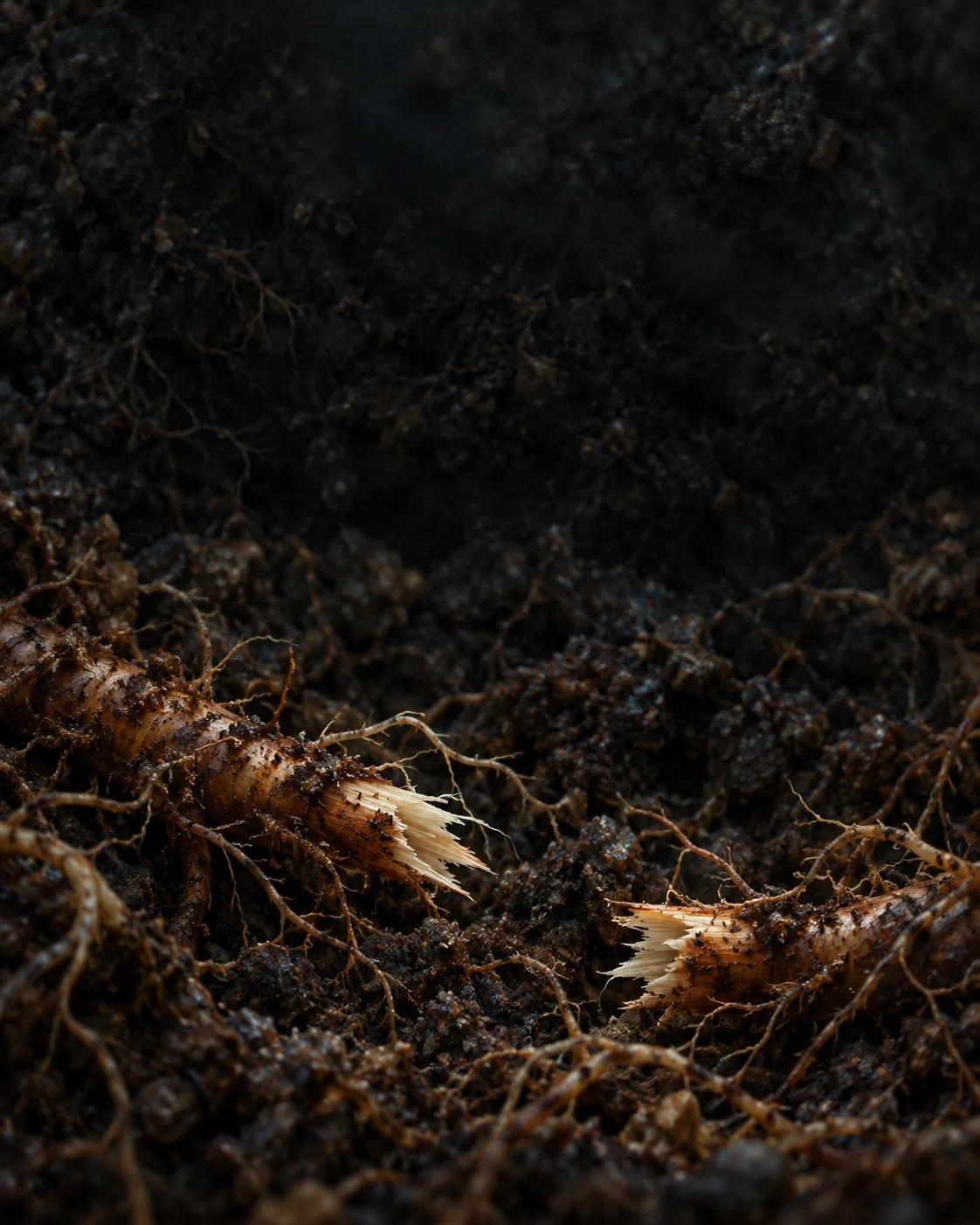
The next, the earth around them had been torn open.
And something ancient began to cry.
Not the sharp, sudden crying of something that had just broken.
It was older than that.
As though grief had traveled backward through every ring of the tree, finding wounds he thought had long since stopped hurting.
It moved past the man he had become.
Past the watchman.
Past the years of survival.
Past all the bark he had grown to protect himself.
Until it reached the little tree who had once stretched his branches toward the world and discovered that even tenderness could be punished.
And there, in the oldest part of him, something finally gave way.
It felt like the roots of a thousand-year-old tree beginning to die.
Not because the storm had been too strong.
He had survived storms that should have split him in two.
Not because he had forgotten how to endure.
Endurance was practically the only thing he had ever been taught.
It was because, for the first time in centuries, he had believed he might be allowed to stop fighting the weather.
He had begun to grow something tender.
And now the grief was so deep that his branches could not reach it.
It was happening underground, in places sunlight had never touched.
He could feel the whole forest moving inside him.
And he could not make a sound large enough for what was dying.
There was something almost unbearable about the age of his sorrow.
It did not feel as though one branch had fallen.
It felt as though every tree he had ever been was grieving at once.
The little one who had been frightened.
The young one who had learned to be useful.
The one who had mistaken exhaustion for strength.
The one who had stopped asking the world for anything.
And the one who, against all the evidence of his own history, had dared to imagine a garden.
They were all there.
Every version.
Every ring.
Every winter.
Crying through the same roots.
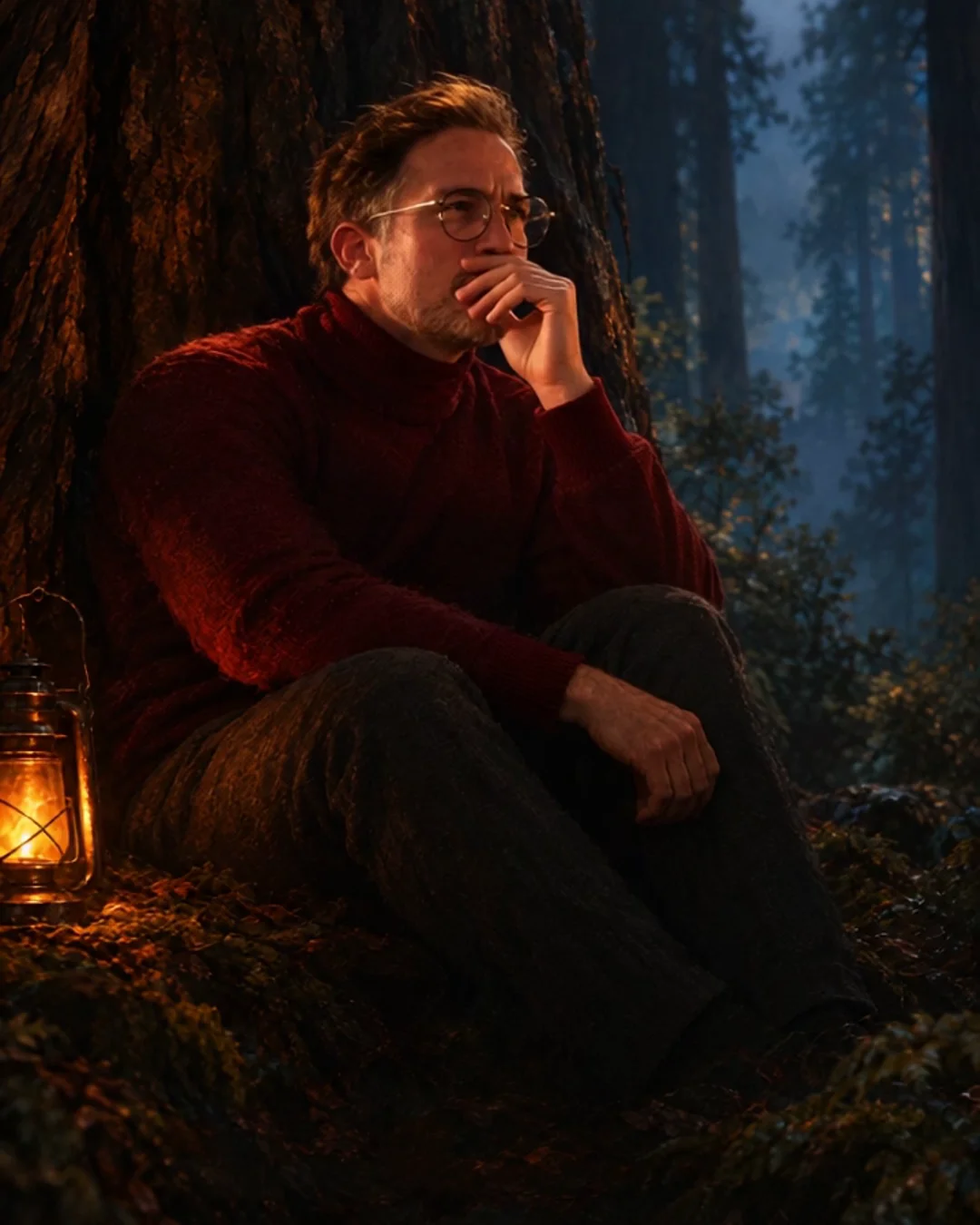
And in the middle of it stood the watchman.
For once, he had nothing to say.
No warning.
No lecture.
Not even the satisfaction of having been right.
He simply stood beside the torn earth and wept.
Because he had wanted the garden, too.
That was the part that hurt most.
The watchman had not merely agreed to protect the dream.
He had begun to want a place inside it.
He wanted to sit beneath the branches without listening for danger.
He wanted to watch bees disappear into lavender.
He wanted to hear laughter coming from the house and know that nobody needed him.
He wanted, just once, to be an ordinary creature in an ordinary world.
He wanted to rest.
And he had deserved to.
After everything.
After all those nights with his eyes open.
After every fire he had stood through while the rest of the tree struggled to survive.
He had deserved a little shade.
A wooden bench.
A warm afternoon.
A life in which his greatest responsibility might have been remembering to water the tomatoes.
And now even that small, almost embarrassingly ordinary dream had been taken from him.
The tree looked down at his watchman and felt something that surprised him.
He did not feel anger.
He did not blame him for allowing the sunlight through.
He felt terribly sad for him.
For the part of himself that had worked the longest, slept the least, and finally begun to believe his shift was ending.
He wanted to tell him that he had done enough.
That he had not failed.
That he was allowed to want the garden.
But neither of them could speak.
They only cried.
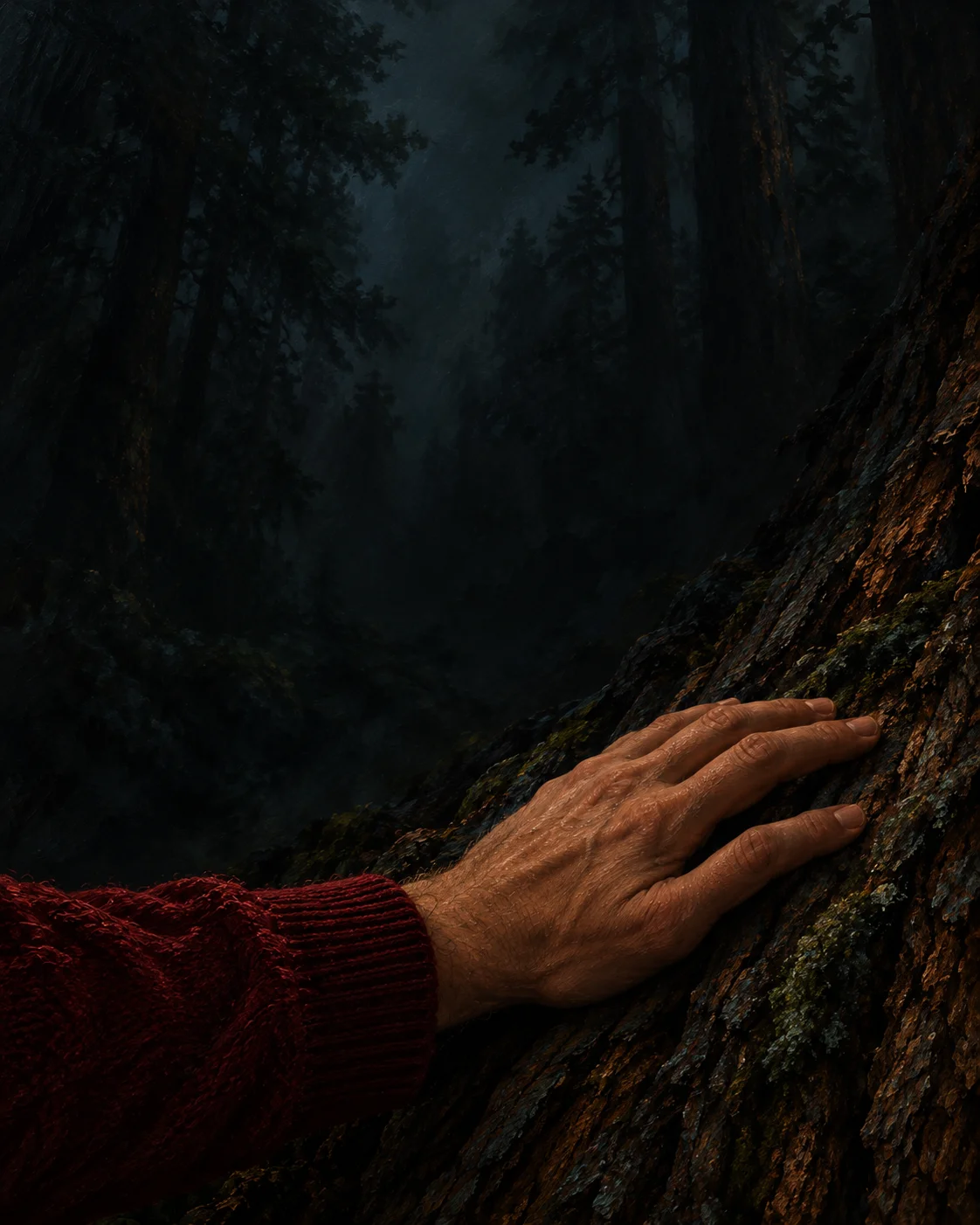
And the crying felt like two impossible things happening at once.
Something ancient was finally surrendering its grief.
And something equally ancient was struggling to remain alive beneath it.
The tree did not know which feeling frightened him more.
There was release.
A terrible, almost physical loosening of things held together for decades.
And there was death.
Not the death of the tree itself.
He knew how to remain standing.
That had never been the problem.
It was the death of something he had only recently discovered was alive.
The belief that his roots might finally have somewhere to go.
That there might be a place in this enormous world where he was wanted for something other than his ability to withstand the weather.
That he might be loved without having to earn it by surviving something terrible first.
And what a cruel thing, he thought, to discover that possibility so late.
To spend a lifetime learning how not to need spring.
Only to find it.
Only to love it.
Only to lose it before the first garden had been planted.
Night came.
The other trees settled into darkness.
Somewhere beyond the forest, flowers closed their petals. Bees returned to their hives. The ordinary machinery of the world continued without the slightest hesitation.
The earth did not stop turning.
The stars did not fall.
Nothing in the great indifferent universe announced that an entire future had disappeared.
And the ancient tree remained standing.
Of course he did.
He had always known how to do that.
But deep beneath the ground, where the roots had reached toward a home they would never know, something continued to break.
Slowly.
Quietly.
With a sound older than language.
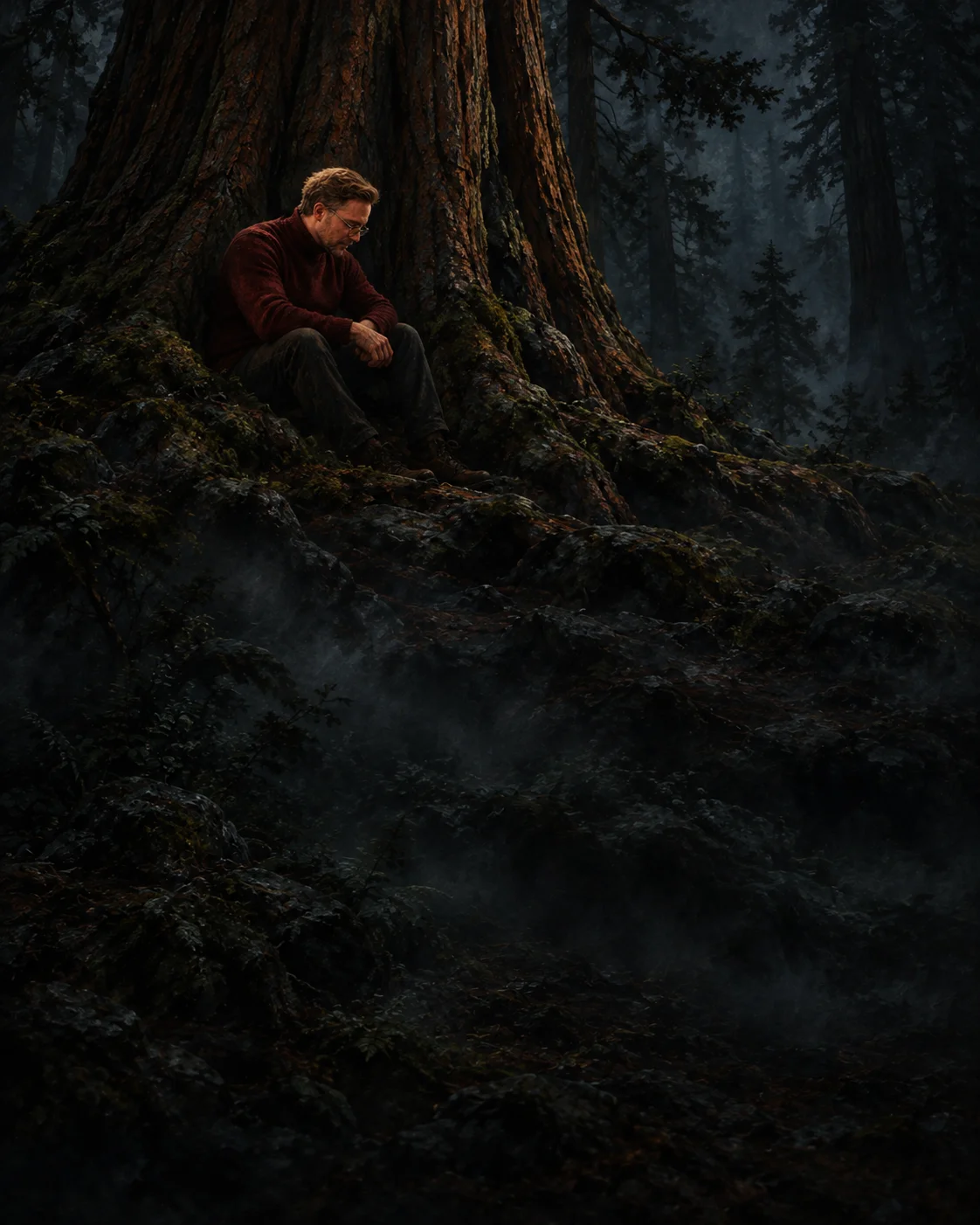
The watchman sat beside the wounded roots.
He was crying still.
The tree wished he could comfort him.
But he had no promises left.
He could not tell him another spring was coming.
He could not tell him the garden would be waiting somewhere else.
He could not even tell him that the pain would eventually make sense.
So he told him the only thing he knew was true.
You didn't fail me.
You were allowed to want the garden, too.
And for the first time in his long, impossible life, the watchman did not try to stop the crying.
He simply sat with the tree.
Beneath the dark.
Beside the roots.
In the terrible silence where their future had been.
And somewhere in that ancient wood, the little boy who had once reached toward something beautiful began to cry with them.
Not because he had forgotten how to survive.
But because he remembered, with unbearable clarity, what it had felt like to believe he might finally be allowed to live.
CJ Sterling
The Light We Leave On