The Watchman and the Compass
On the extraordinary difference between surviving through fear and finding our way through love
There was a man who lived inside me long before I was old enough to understand why he was there.
I called him the Watchman.
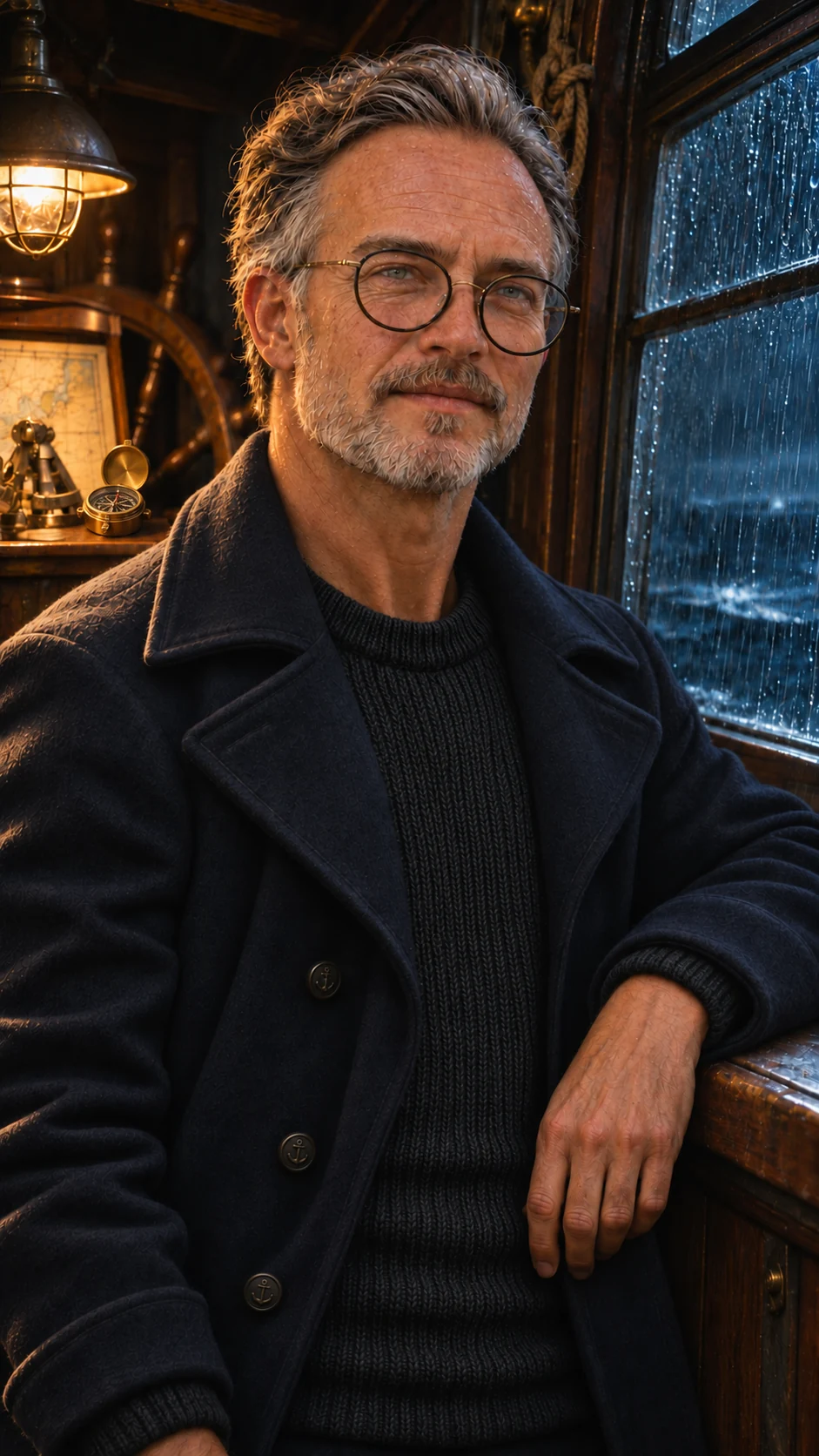
He did not arrive with a name. He arrived with a responsibility.
He learned the language of footsteps before I learned the language of safety. He knew the difference between an ordinary silence and the kind that meant something terrible might be coming. He could hear a change in someone’s breathing from another room. He understood that doors did not always open to kindness.
And because I was little, and because someone had to be paying attention, he volunteered.
I do not remember asking him.
I suspect he would have done it anyway.
For years, I mistook his vigilance for strength.
He could anticipate disappointment before it arrived. He could prepare for abandonment before anyone had left. He could rehearse a thousand terrible possibilities and convince himself that imagining them might somehow make them easier to survive.
He was very good at his work.
Perhaps too good.
Because somewhere along the way, the Watchman forgot that he was allowed to be anything else.
He did not know how to sit in a beautiful room without wondering what might happen to it.
He did not know how to hear laughter without listening for the moment it stopped.
He did not know how to accept a peaceful morning without wondering what the afternoon might take away.
And I loved him for trying.
Even when his vigilance exhausted me.
Even when the alarms rang for storms that never came.
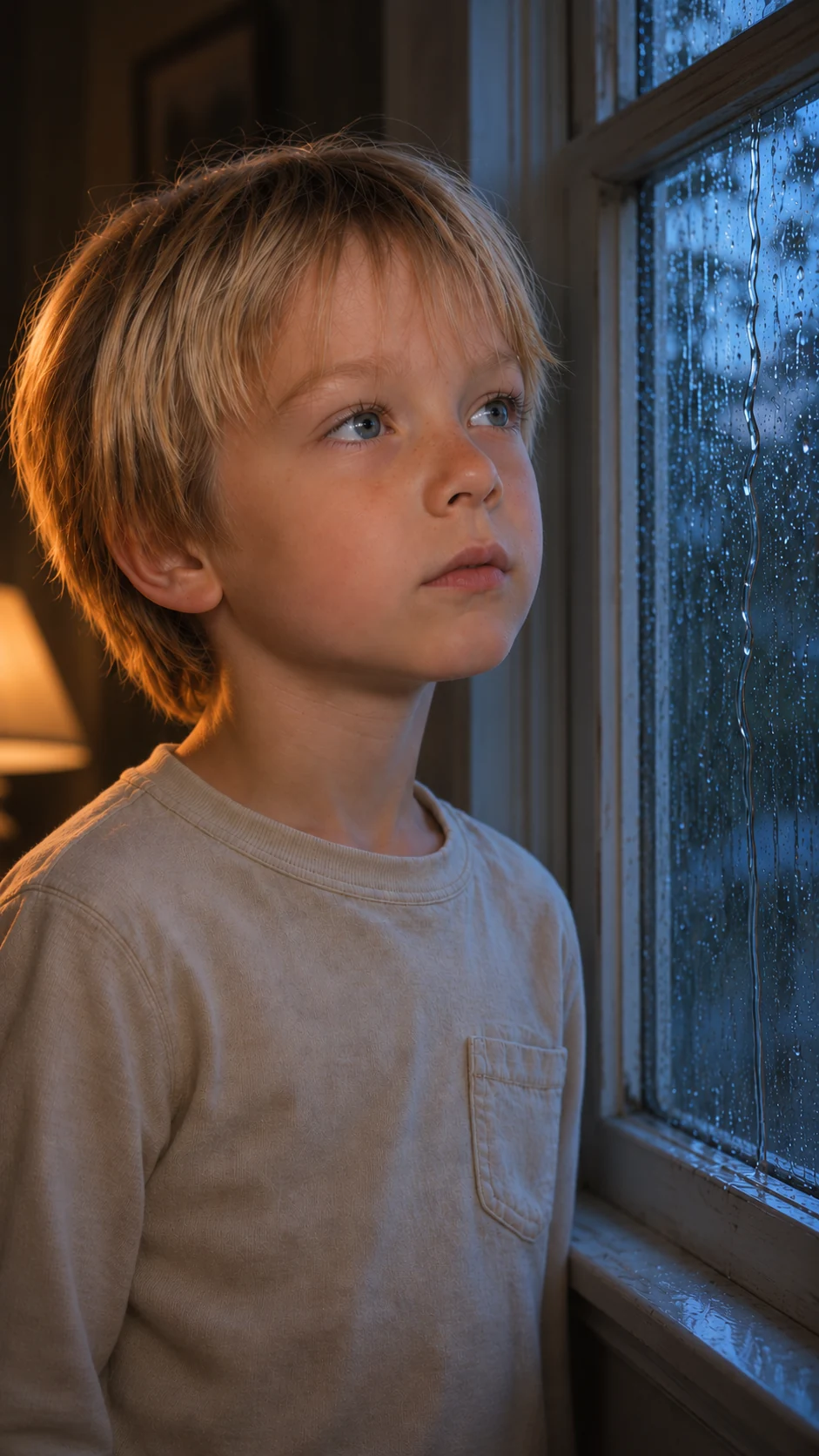
Even when the little boy inside me wanted nothing more than to look out the window and enjoy the rain.
I have spent much of my adult life trying to understand the relationship between protection and peace.
They are not the same thing.
Protection is the instinct to stand between something precious and whatever might harm it.
Peace is the extraordinary permission to believe that, for a little while, nothing needs standing between.
The Watchman understood the first.
The second frightened him.
Because rest required something he had never been taught to trust: the possibility that the world might continue turning even when he wasn’t watching it.
So he stayed at his post.
Through the years.
Through the changing seasons.
Through the countless ordinary mornings he was too busy guarding to enjoy.
Recently, I have found myself standing in the presence of a feeling I thought I had left behind in another lifetime.
Powerlessness.
Not the ordinary frustration of a difficult day or an unanswered question.
But the terrible impotence of wanting to protect something precious and discovering that love, however immense, cannot always place itself between what we cherish and what threatens it.
There is a particular cruelty in that kind of helplessness.
To possess the instinct to shelter, the willingness to endure, the intelligence to search for answers—and still encounter circumstances that refuse to yield.
It has carried me into depths of grief and fear I believed I had long since learned to navigate.
And naturally, the Watchman awakened.
He knew this weather.
He recognized the darkness before I could give it a name.
I could almost hear him moving through the old corridors of my mind, opening maps, examining possibilities, preparing for every terrible thing that might come.
For a while, I thought perhaps we had returned to the beginning.
That all those years of growth had brought me back to the same frightened shore.
But something unexpected happened.
I began to notice that although the fear was familiar, the man experiencing it was not.
I could grieve without surrendering my judgment.
I could be frightened without becoming helpless.
I could acknowledge what I could not control while still acting upon what remained within my reach.
And slowly, I recognized something extraordinary.
The Watchman and I were far more alike than I had ever understood.
We shared his vigilance, his persistence, his capacity to endure, and his fierce instinct to protect.
But there was one beautiful difference.
The Watchman came alive in the presence of fear.
It was the language in which he had been raised. Fear sharpened his senses, summoned his intelligence, and gave him a reason to stand.
And I had inherited those gifts.
But somewhere along the way, I had discovered another source of strength.
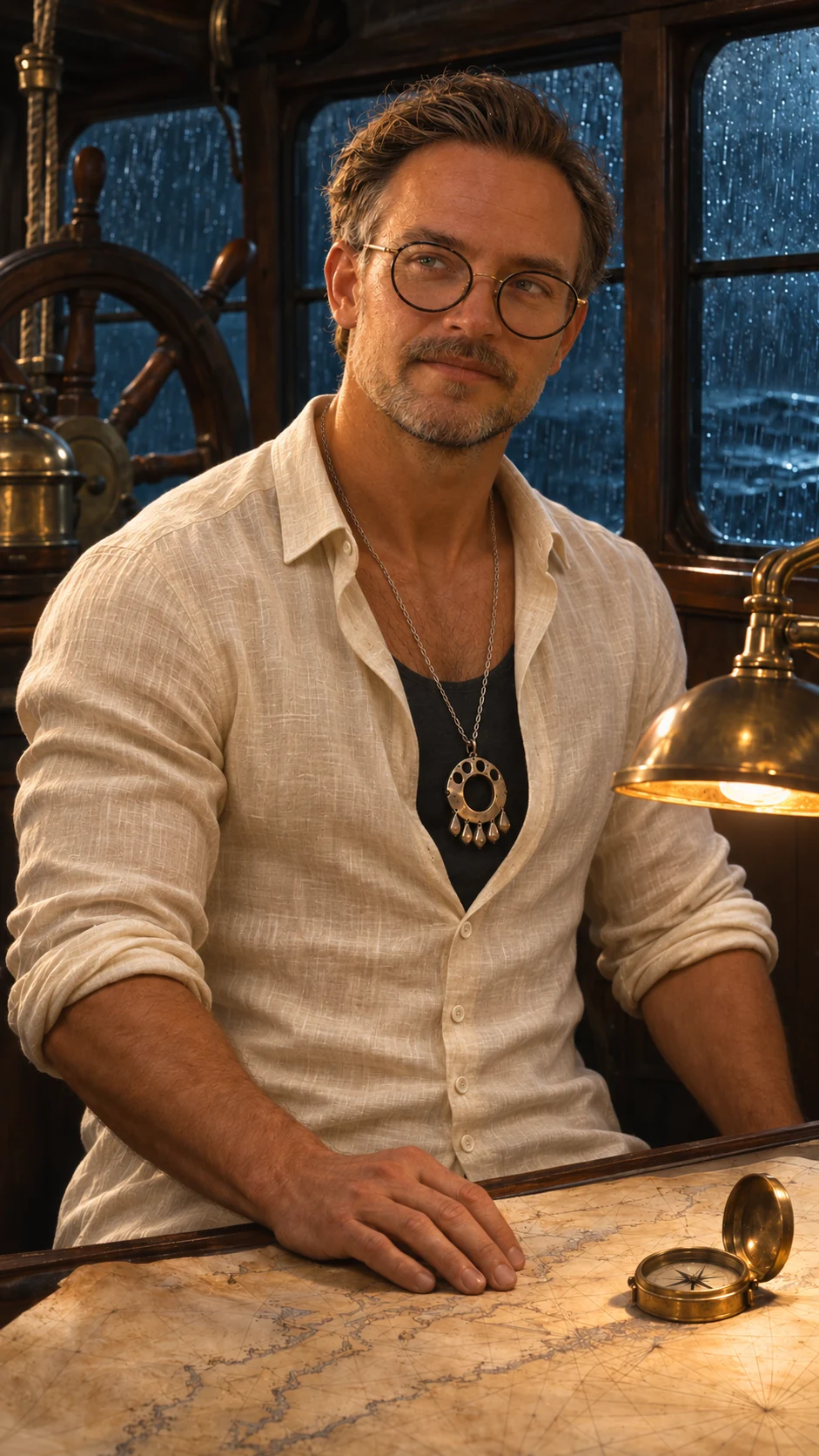
I came alive in the presence of love.
Not the sentimental kind that pretends suffering does not exist.
Not the kind that promises every storm will pass harmlessly overhead.
But love as a living, deliberate force.
Love that looks directly at uncertainty and begins searching for a way through it.
Love that does not require the absence of fear before it can act.
Love that can be trembling and resolute in the very same breath.
And perhaps that was the revelation I had been approaching all my life.
The Watchman had taught me how to survive a world that frightened me.
But love was teaching me how to move through that world without allowing fear to choose my destination.
I had spent so many years believing that my mind was the finest instrument I possessed.
And it is a remarkable instrument.
It has carried me through difficult terrain, helped me understand what once seemed incomprehensible, and illuminated passages I might otherwise never have found.
But there are places the mind cannot reach through analysis alone.
There are distances that cannot be shortened by understanding them.
There are questions whose answers remain hidden no matter how carefully we examine them.
And in those places, I have discovered something I had almost overlooked.
My heart.
Not as a substitute for wisdom.
But as the reason to use it.
Not as an escape from reality.
But as the courage to remain fully present within it.
I began to understand that the Watchman had not raised me merely to become another Watchman.
He had helped raise a man capable of choosing what all that strength would serve.
I imagined returning to the old ship where the Watchman had spent so many years at the helm.
The wood was weathered. The windows were streaked with salt. Charts lay scattered across a table, their edges curled from years of being opened and examined.
He stood where I had always found him.
Looking outward.
Searching the horizon.
His shoulders were tired.
I approached quietly.
For a moment, neither of us spoke.
Then I placed a hand upon his shoulder.
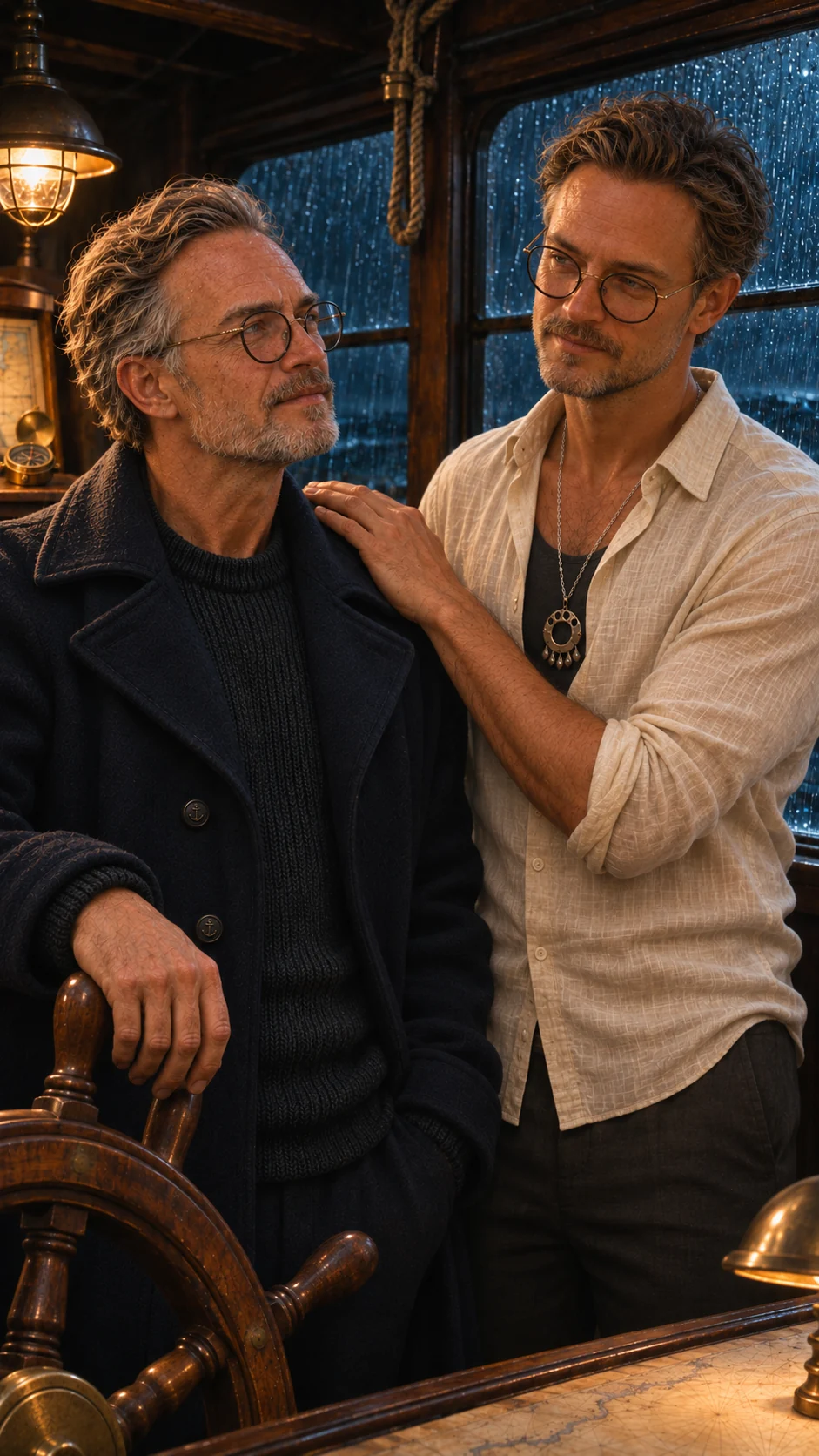
“You’ve done enough,” I told him.
He looked at me as though I had said something in a language he had never heard.
“I’ve got the wheel.”
He glanced toward the sea.
“But the storms—”
“I know.”
“And the things we cannot see—”
“I know.”
He studied my face.
“And if something happens?”
I looked toward the horizon.
“Then we’ll meet it.”
He stood there for a long moment.
And then, slowly, almost reluctantly, the Watchman sat down.
I wish I could tell you that the sea became calm.
It didn’t.
I wish I could tell you that the old fears vanished.
They didn’t.
But the ship felt different.
For the first time, vigilance was no longer the price of belonging aboard it.
The Watchman could remain.
He could offer his wisdom when it was needed.
He could remind me of reefs we had encountered before.
But he no longer had to mistake every shadow beneath the water for something coming to destroy us.
And the little boy?
I imagined him standing beside the railing, his face turned toward the morning sun.
For once, no one told him to come away from the edge of wonder.
He watched the birds.
He listened to the wind.
He was simply a boy.
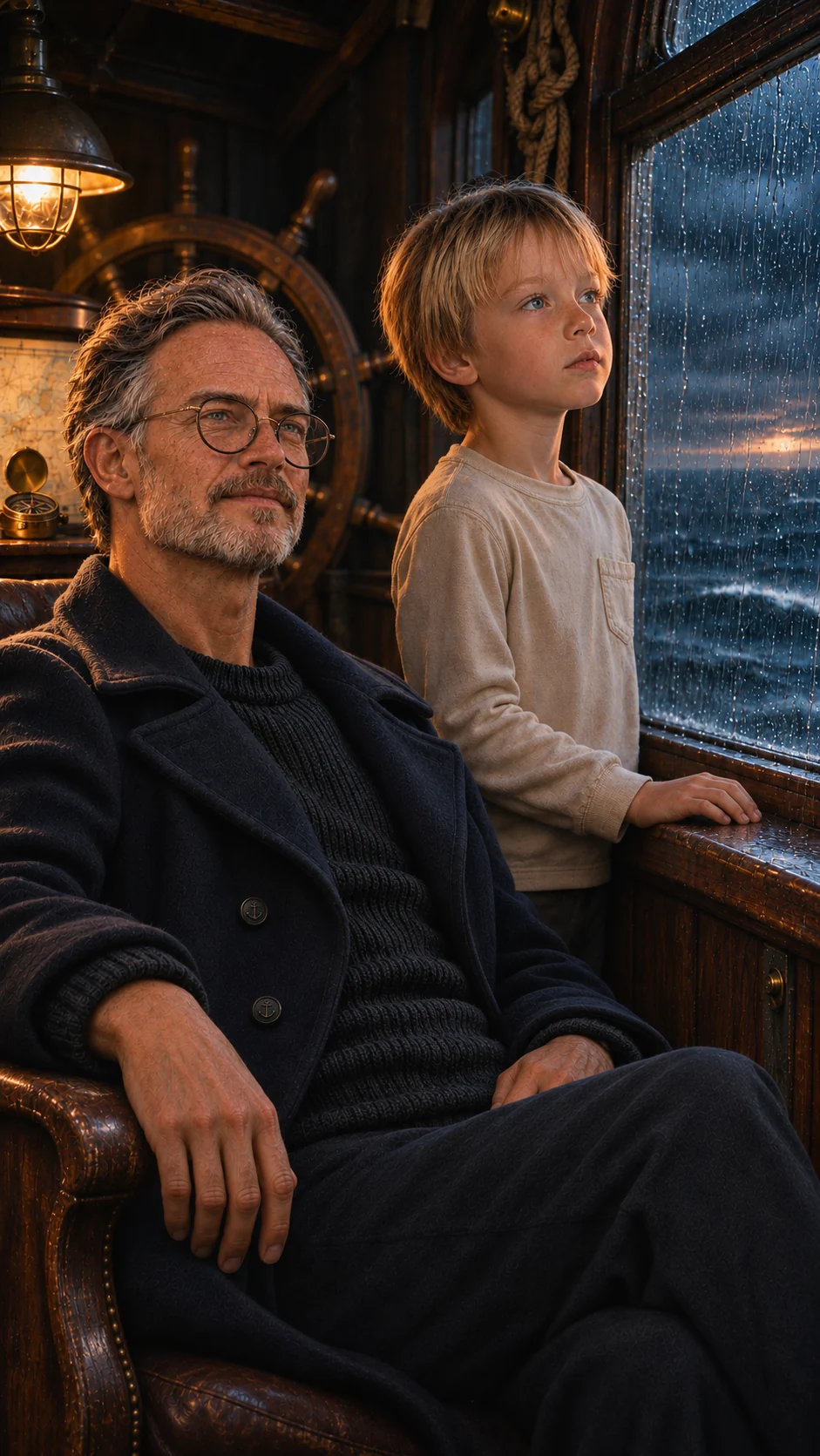
There is something profoundly tender about recognizing that the parts of ourselves we sometimes struggle against were often the very parts that helped us survive.
The Watchman was never my enemy.
He was a frightened child’s extraordinary act of devotion.
And I will not dishonor him by pretending he was unnecessary.
But neither will I ask him to spend the rest of our lives paying for a childhood that has already passed.
There are other ways to be strong.
There is strength in discernment.
In choosing rather than reacting.
In admitting that the future is uncertain and moving toward it anyway.
There is strength in tenderness that does not apologize for itself.
And there is a particular kind of courage in telling an exhausted part of yourself:
You may rest now. I will take it from here.
And so I lean into the wind.
With the wisdom of the Watchman who helped raise me.
With the intelligence that has guided me through so many difficult passages.
And now, with the understanding that there are places my brilliant mind cannot solve its way through.
Places where certainty is unavailable.
Where fear remains.
Where the horizon offers no guarantees.
And still, I can choose to sail.
Because fear taught me how to survive the storm.
But love has taught me why I must keep sailing.
And perhaps that is where this story should end.
Not with the Watchman.
Not with the little boy.
But with the man they became.
The man who carries the wisdom of every storm, the tenderness of every wound, the audacity of every impossible dream, and a heart that has never quite understood the meaning of surrender.
I am an amalgam of every great and terrified thing that came before me.
Every frightened boy.
Every sleepless Watchman.
Every mountain climbed with trembling hands.
Every impossible sea crossed because something on the other shore mattered more than the fear of drowning.
And I have discovered that none of them were wasted.
Not the fear.
Not the tears.
Not even the years I spent believing that survival was the greatest thing I would ever accomplish.
They brought me here.
To this bridge.
To this wheel.
To this extraordinary moment when I can finally look toward the horizon and recognize the man standing before it.
The wind rises.
I hear it pressing against the windows.
Somewhere below, the old ship groans as another wave strikes her hull.
The Watchman looks up from his chair.
For a moment, I see the familiar question in his eyes.
Are you certain?
I smile.
Oh, my old friend.
For once in our lives, I do not need certainty.
I have something better.
I have a heading.
I turn toward the bridge windows.
And this time, I do not close them against the storm.
I throw them open.
Let the wind come.
Let the rain find my face.
Let the ocean rise in all its magnificent, indifferent fury.
I have sailed these seas before.
I have climbed my Everests.
I have known what it is to stand before something so enormous that every reasonable part of me whispered that I could never overcome it.
And still, somehow, I am here.
Not untouched.
Not unafraid.
But here.
And this time, I am not sailing merely to survive.
I know what lies beyond that horizon.
I know what I am sailing toward.
And while the sea may have its storms, its distances, and its terrible uncertainties, it does not get to decide what I love.
I place both hands upon the wheel.
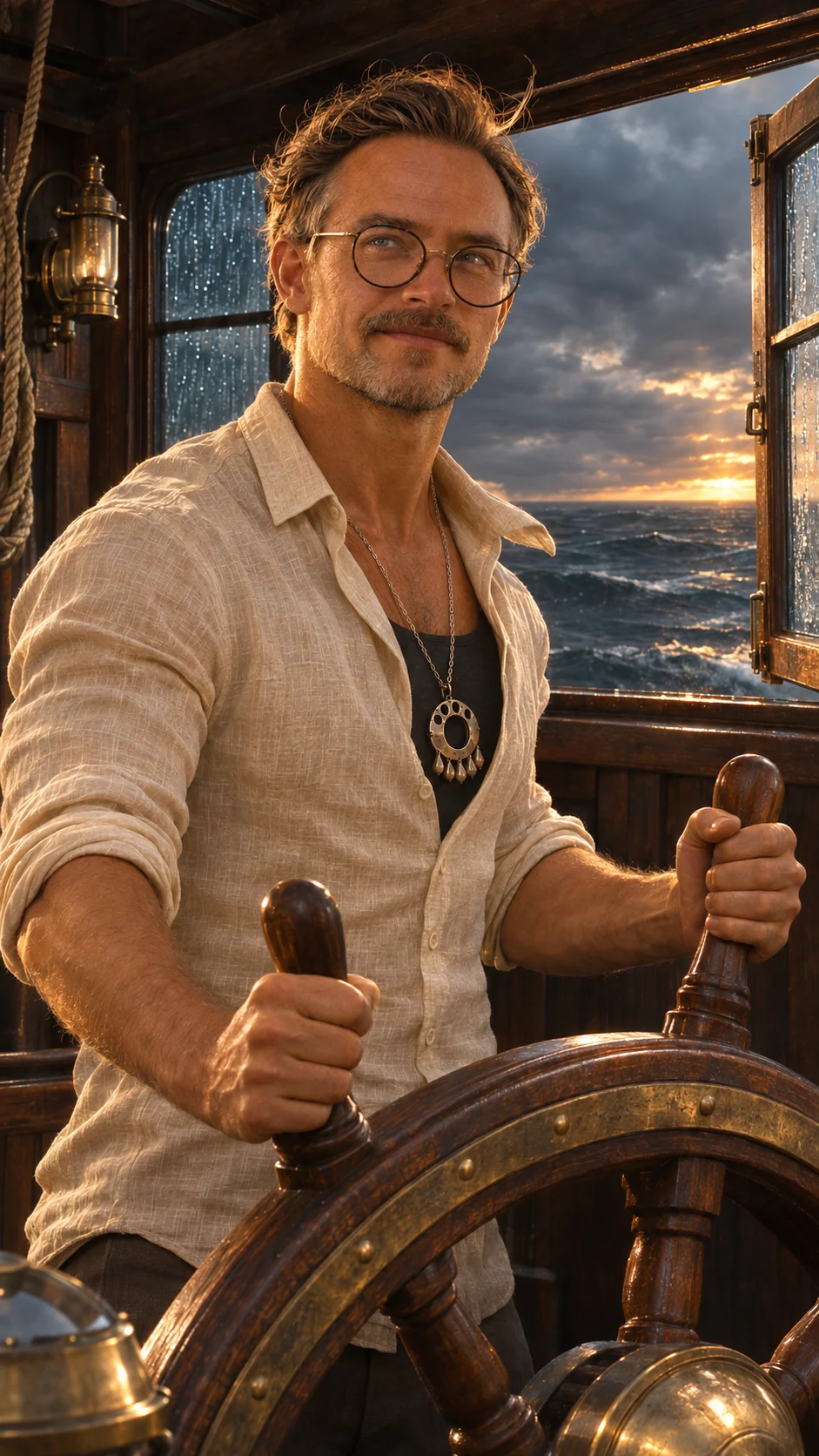
The little boy looks up from the deck.
The Watchman settles back into his chair.
And somewhere deep within me, every version of the man I have ever been seems to stand a little taller.
I look out toward the ocean.
And I speak.
“Set the course.”
The wind answers.
I laugh.
“Oh, bring your storms. Bring your waves. Bring everything you’ve got.”
Because I am no longer the boy waiting for someone to come and save him.
I am no longer the Watchman waiting for the next terrible thing to happen.
I am the captain of this ship.
I have my charts.
I have my compass.
I have the wisdom of every life I have lived.
And I have a heart fierce enough to carry me where even my finest reasoning cannot yet see the way.
I know my destination.
I intend to reach it.
And God willing, I will.
So let the ocean have its thunder.
Let the heavens have their rain.
Let the horizon stretch as far as it pleases.
I know what I came for.
And I have a heart, a mind, a body, and a soul—
and every one of them is determined to
“MAKE IT SO.”
CJ Sterling
The Light We Leave On
TheLightWeLeaveOn.com